May 21, 2026
When the Client Topic Is “Hard to Pitch”: Strategies That Actually Work

Every communications professional eventually hears it: “We know this is a tough story.” Sometimes the topic is highly technical. Sometimes it’s misunderstood, oversaturated, politically sensitive, or simply not built for headlines. And sometimes it’s all the above. For organizations operating in regulated, technical, or high-stakes environments, “hard to pitch” stories aren’t an occasional challenge, they’re the norm.
“Hard to pitch” doesn’t mean unimportant. In fact, many of the issues that matter most to communities, institutions, and long-term progress are the ones that require the most care, context, and strategy to bring forward. The challenge isn’t convincing a reporter to care; it’s earning the right framing, at the right moment, with the right messenger.
Over time, a few principles consistently separate the pitches that land from the ones that stall.
Start by diagnosing why it’s hard
Before drafting a subject line or media list, it’s worth being honest about the barrier. Most difficult topics fall into one (or more) categories:
- The issue is complex or technical and doesn’t translate easily to a general audience
- The space is crowded, and reporters feel they’ve “seen this before”
- The topic is sensitive, polarizing, or easily mischaracterized
- The impact is real but long-term, incremental, or preventative rather than reactive
Each of these requires a different approach. Treating all “hard” topics the same is usually where outreach goes sideways. When complex issues are rushed or poorly framed, the risk isn’t just silence, its misinterpretation, reputational damage, or long-term erosion of trust.
Shift from novelty to relevance
When novelty is limited, relevance becomes everything. Instead of asking, “What’s new here?” ask:
- Why does this matter now?
- Who is already feeling the impact, even if they don’t yet have language for it?
- What decision-makers, systems, or behaviors are quietly shaping the outcome?
For reporters, relevance often lives at the intersection of timing, consequence, and audience. A story does not need to be flashy to be compelling, but it does need a clear reason to exist in today’s news cycle. Relevance isn’t just about earning coverage, it’s about influencing the audiences who make decisions: regulators, investors, customers, and community stakeholders.
This approach is often necessary when working with data-driven organizations like our client the Latino Donor Collaborative, a nonprofit organization and think tank dedicated to producing research that highlights economic opportunities for growth. Deep economic research becomes most effective when distilled into clear insights that help reporters contextualize broader stories about growth, labor, and the U.S. economy.
Anchor the story in people, not positions
Hard topics often come with institutional language, policy frameworks, or technical jargon. That language may be accurate, but it rarely invites engagement.
Effective pitches translate complexity through:
- Practitioners who live the issue daily
- Communities navigating the downstream effects
- Experts who can explain process, not just outcomes
For example, when working with clients like SePRO Corporation, a leader in environmental solutions for water and land restoration, translating highly technical water-quality diagnostics into clear, human outcomes, public health, recreation, and long-term cost avoidance, has consistently made the difference in helping reporters engage with a complex issue without oversimplifying it.
This isn’t about oversimplifying. It’s about recognizing that credibility and clarity are not opposites. When a topic feels abstract, reporters struggle to visualize it. People give them a place to stand. Relevance isn’t just about earning coverage, it’s about influencing the audiences who make decisions: regulators, investors, customers, and community stakeholders.
Narrow the ask
One of the most common mistakes with difficult topics is trying to explain everything at once. That instinct is understandable, but it’s rarely effective.
Strong outreach focuses on:
- One clear insight
- One well-defined angle
- One audience that will care
Depth comes later. The initial goal is not to tell the whole story; it’s to open the door to it. Knowing what not to pitch is just as important as knowing what to lead with. This discipline protects credibility and keeps clients from burning goodwill with the media.
Match the outlet to the role it plays
Not every story belongs in a top-tier national outlet, and that’s not a failure of ambition.
Some topics gain traction more effectively through:
- Trade and vertical media that shape industry understanding
- Local or regional outlets where impact is tangible
- Opinion or analysis sections that allow for nuance
Momentum often builds outward. A thoughtful trade piece, expert op-ed, or targeted local story can do more to legitimize a “hard” topic than a forced national pitch that lands flat. Not every meaningful story begins with a national headline, and experienced partners help clients see momentum where others might see limitation.
Invest in relationships before you need them
When a topic requires trust, the relationship matters more than the pitch.
Reporters are more willing to engage with complex or sensitive issues when they trust that:
- You understand their beat
- You respect their audience
- You won’t oversell or oversimplify
This is where consistent, non-transactional engagement pays off. Sharing context, flagging trends, or offering expertise without an immediate ask builds credibility long before a difficult story enters the conversation. This is why we prioritize long-term relationships over one-off wins, because difficult stories require credibility long before they’re ever pitched.
Accept that success may look different
For challenging topics, success isn’t always a splashy headline. Sometimes it looks like:
- A thoughtful briefing that informs future coverage
- A small but influential piece that reaches the right stakeholders
- A slow build of understanding over multiple touchpoints
Those outcomes matter. They shape how an issue is covered over time, not just whether it’s covered at all.
The takeaway
Hard-to-pitch topics aren’t what’s holding coverage back; a rushed or unfocused approach usually is. They force clarity, patience, and respect for how media works.
When the approach is grounded in relevance, precision, and trust, even the most complex issues can find their audience, not by forcing attention, but by earning it.
Organizations with complex, sensitive, or misunderstood stories don’t need louder pitches, they need smarter ones. When the topic is hard, the approach must be steady, strategic, and earned over time. That’s where thoughtful communications work makes the greatest difference.
The Latest
In The Red
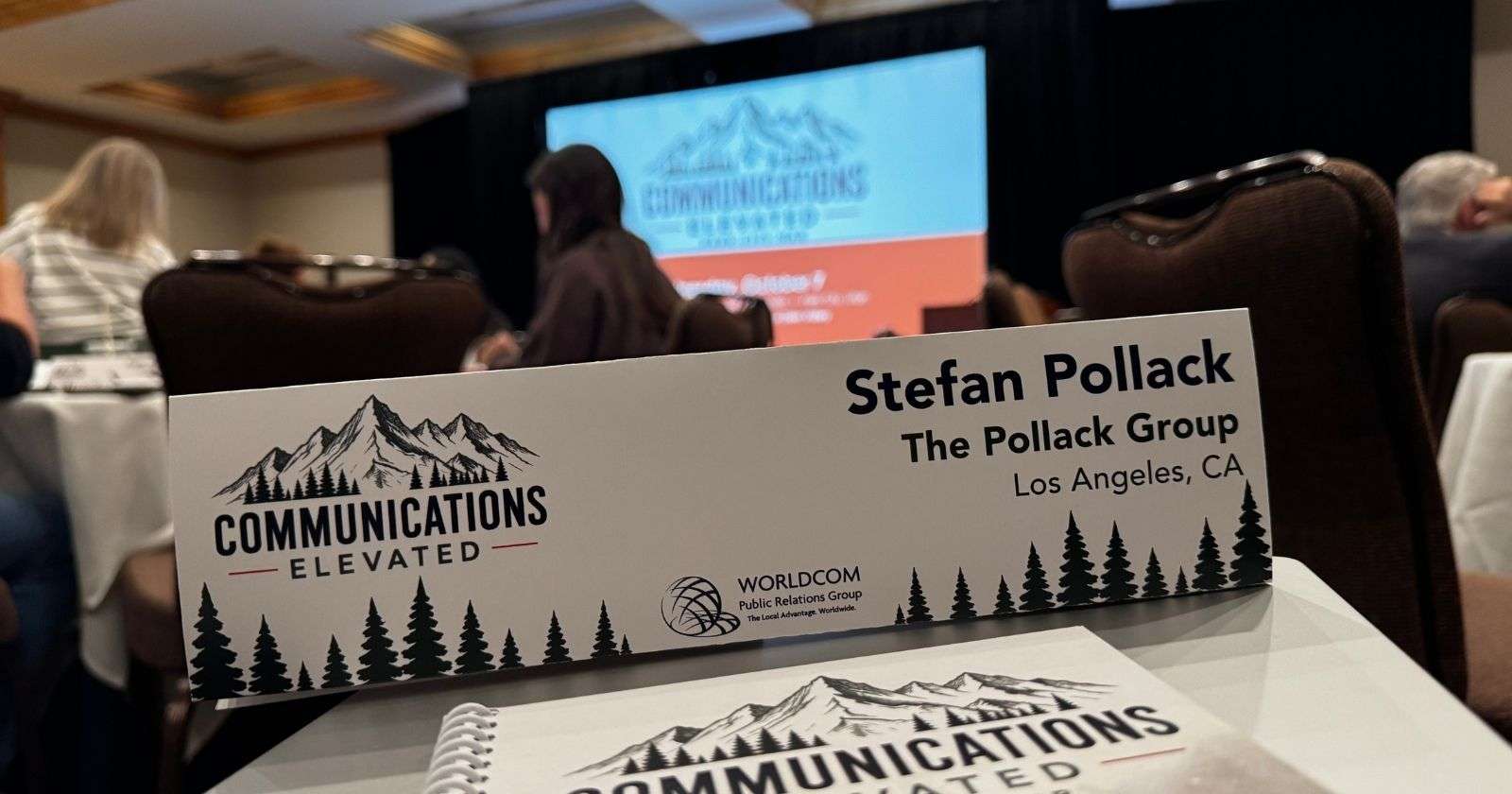
Elevated: Reflections on the Worldcom Public Relations Group’s North American Regional Meeting in Park City, Utah
Stefan Pollack reflects on the Worldcom Public Relations Group's North American Region meeting in Park City, Utah.

In The Red
Consumers Don’t Want Ads. They Want a Reason to Show Up.
Marketers chase attention. The challenge is figuring out how to earn it when consumers can scroll past a brand in a fraction of a second.

In The Red
Sited Visibility Index: Who’s Brewing Up the Best Fall?
The Pumpkin Spice Latte season is here, and we examined the AI search visibility of some of the nation's leading coffee brands.

Solutions
Some communications challenges call for a more focused approach. The Pollack Group’s proprietary solutions combine decades of communications experience with specialized methodologies, technology and audience intelligence to help organizations solve specific business and reputation challenges. From strengthening messaging and preparing for a crisis to understanding audiences, elevating leaders and measuring how brands appear in AI-driven search, our solutions give organizations practical tools and insights they can put to work.
Leadership Now
Creating leadership platforms that are essential to building audience trust and confidence.