By Jackie Liu
In the not-too-distant past, attending a conference or trade show came with a clear expectation from employers: go network, collect business cards, and come back with leads. Success was measured by how many cards you handed out and how full your badge holder felt by the end of the day.
On the other side, for years, conferences and trade events justified their relevance by positioning themselves as professional development must-dos: a chance to hear from experts, learn best practices, and gain insights through panels and keynotes. Attending wasn’t optional; it was part of how professionals stayed relevant in their field.
Then, experiential activations became ubiquitous, and now many of us simply say, “We need something experiential!” and everyone knows what we mean – right?
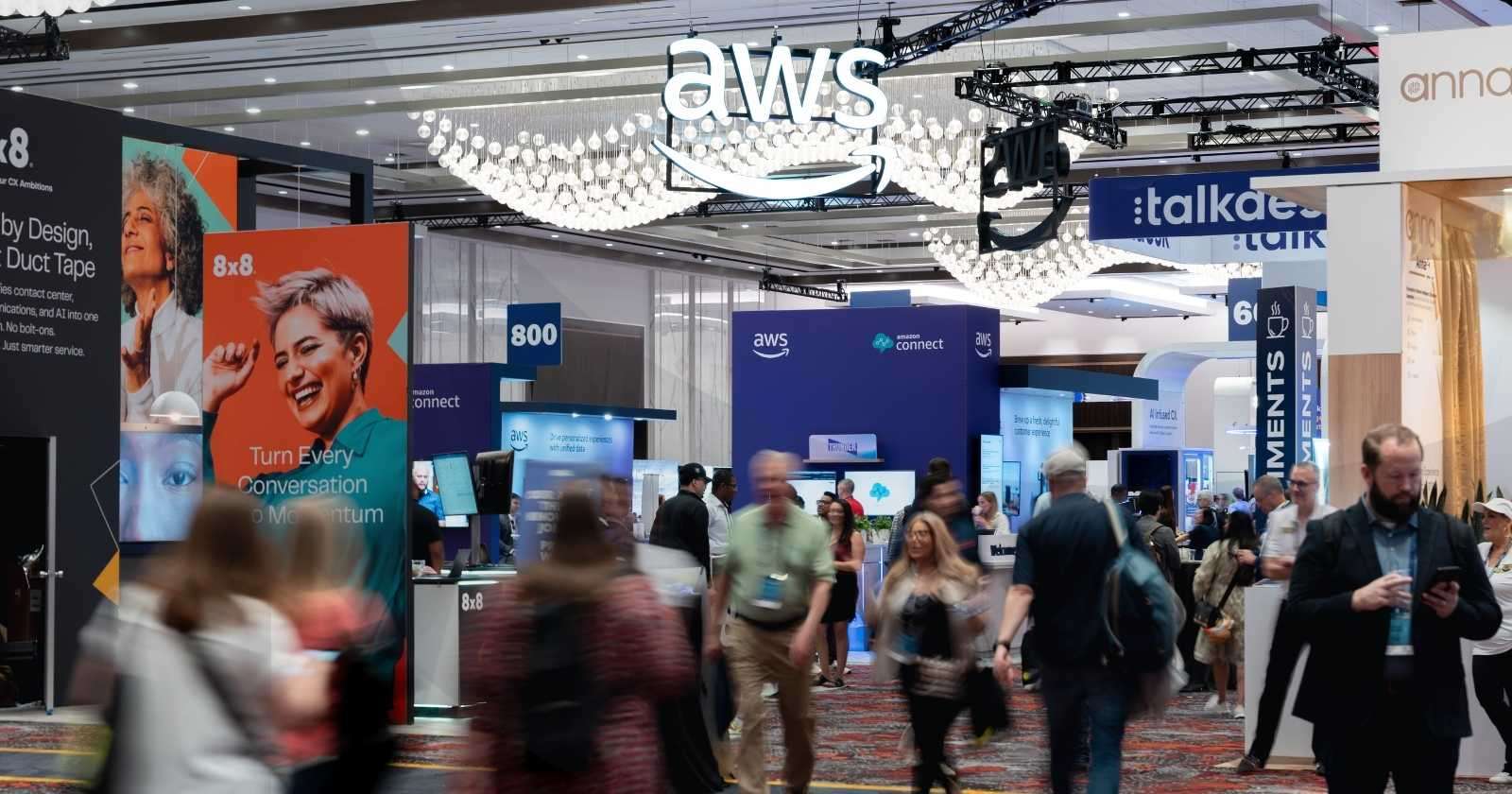
Over time, something shifted. As events multiplied and agendas became increasingly packed, the value for attendees began to diminish. Panels started to sound familiar. “New insights” felt repetitive. Precious marketing budgets prioritized social media-driven activations over everything. Networking became more transactional than meaningful. Some events seemed to exist solely for social clout or partying. For many professionals, especially those with experience, the return no longer matched the time, travel, or cost.
In 2026, that imbalance is impossible to ignore. Employers are asking tougher questions about what their teams are gaining. Clients are scrutinizing budgets and holding agencies to task on KPIs. And event organizers are facing a hard truth: it’s no longer enough to convene people. You must earn their presence.
Looking ahead, we believe the most successful business and industry events will be those that rethink how value is created, delivered, and measured. In 2026, simply showing up isn’t enough. Attendees expect to learn, be inspired, and create connections that genuinely justify stepping away from work and life. Conferences that consistently deliver trust, relevance, and depth will earn loyalty over time, transforming one-time attendance into long-term influence.
See also: Customer Management Practice
Bigger Isn’t Automatically Better Anymore
For years, scale was shorthand for success. Bigger conferences, longer agendas, and bigger-name speakers were assumed to equal higher value. But that assumption is being challenged. Professionals are already overwhelmed with information, meetings, and obligations. Events that offer clarity instead of excess are standing out.
“The key is not necessarily creating a long event, but a meaningful one. You can accomplish this with just one speaker who is really dynamic and thoughtful,” confirms Melanie Cherry, associate director, undergraduate PR studies, USC Annenberg School for Communication and Journalism. Cherry recently managed a conference called “Lead On,” a two-day event for mid-level PR executives to learn skills to be effective leaders.
In fact, smaller events with modest budgets can deliver the greatest value because they force organizers to be more intentional, creative, and disciplined about where to invest.
“The strongest return comes from being deeply attuned to what the attendee needs, values, and aspires to, and recognizing that those needs are constantly evolving,” says Allie Graham, head of marketing at Ascend, the largest global network advancing API professionals in the workplace and corporate boardrooms.
“At Ascend, we spent more than 20 years building an interconnected network. We invest intentionally in experiences that strengthen connection and foster long-term engagement with our members, volunteers, and partners. When you prioritize relevance, trust, and continuity, impact compounds over time, regardless of budget size.”
Learning is the Real Value Exchange
In 2026, learning is no longer about exposure to ideas; it’s about applicability. Attendees want tools they can implement and insights that feel relevant to where they are in their careers.
Too often, events rely on speakers who make a living on the events circuit. This means they are often more focused on promoting themselves and their book/podcast/blog/YouTube channel than being of service. They’re also usually extremely expensive.
Nearly a decade ago, Brionna Simons, senior account director at Think True, attended SXSW for the first time. She attended numerous panels, met new people, and came home feeling invigorated. She learned so much, and it was a valuable experience. When she returned a year ago, few of the panels offered new, relevant, or practical information.
For the record, Platinum Badges to attend SXSW in March 2026 come in at $1,865.
Rethinking ROI
Return on investment has traditionally been tied to attendance numbers. While reach still matters, our sources all emphasize that it’s only one piece of the puzzle.
“Attendance will always be a baseline metric; we need to understand reach and year-over-year growth. But engagement is where the real insight lives,” says Graham.
Increasingly, organizers are also paying attention to post-event outcomes: new connections formed, continued engagement, and long-term involvement. Think True surveys attendees to collect data in real time and track brand perception and sentiment, and often films them as well. It provides clients with qualitative data and gives the agency more micro-content to include in event recap sizzle reels.
“Basic surveys can help measure brand sentiment and impact, but you can get creative with how you incentivize users to take action,” said Alisha Bryant, Think True’s VP of Account Services.
Sponsors Want Integration, Not Just Visibility
Sponsors are also expecting more than they once did. Logo placement alone is no longer sufficient.
“The most effective ways to create genuine value for sponsors are finding opportunities for the brand to be integrated into the event in a meaningful way,” said Cherry. This is echoed by Graham, who refers to it as co-creation. When sponsors help shape programming or experiences aligned with their expertise, the value extends beyond exposure to credibility and trust.
Bryant and Simons work with national clients, including Chase Freedom, a partner of the WNBA that has masterfully created activations that celebrate basketball culture and community. The Cashback Courts at ComplexCon and “A’ja Con” with WNBA star A’ja Wilson are thrilling and deliver star power, but Chase Freedom also walks the walk by providing financial literacy and personal finance education for young, diverse customers and supporting women-owned businesses.
Smaller, More Intentional Experiences are Rising
One of the most consistent themes shaping 2026 is the move toward intimacy. Large conferences and events can feel overwhelming or leave attendees feeling annoyed that they didn’t get their money’s worth. It doesn’t mean large events are disappearing, but it does mean the most meaningful moments can happen on the edges.
Over the last 20 years, automakers have significantly scaled back their presence at regional and national auto shows. Instead, many choose to host intimate receptions and exclusive parties. Bryant and Simons point out how Art Basel continues to evolve and, in some ways, is more popular than ever, and brands like Visa and McDonald’s are proof that even global conglomerates can create goodwill through smaller events.
Technology Should Support, Not Distract
Event organizers of all stripes tout the benefits of having a customized event app, which allows for push notifications, reminders, and back-end reporting. Social media content capture through Meta Ray-Ban Display Glasses feels fresh and interesting in appropriate settings. It’s a good reminder that technology can support, enhance, and entertain without feeling intrusive.
And finally…
The message from today’s event leaders is consistent. The future of events isn’t louder, bigger, or more crowded. It’s more intentional.
“If people leave the event with useful tools they can implement and are inspired, they will feel it was worth their time,” says Cherry.
In 2026, that feeling of time well spent is the new benchmark for success.