February 19, 2026
The Hidden Traps in PR: How to Protect Your Brand from Costly Scams

Today, the potential of getting scammed is just as prevalent as pumpkin-spiced lattes in October. Whether online dating and trying to avoid any attempt at getting catfished, or job searching and realizing that "Joe" from HR is actually living in his mother's basement, scams of all types are everywhere. And unfortunately, the world of PR is no exception.
At The Pollack Group (TPG), we regularly see companies fall prey to slick promises and “shortcuts” that sound too good to be true. These scams often prey on two things: urgency (“act now or miss out”) and vanity (“you deserve recognition”). Both can be costly mistakes for brands. Companies are duped into a false guarantee of securing top-tier media, when it's really someone's cousin's blog, and PR professionals get conned by scam artists pretending to be journalists to get free products, complimentary travel, and, in some cases, money.
As PR and marketing scams are becoming increasingly more widespread, we have outlined common ones to look out for, especially when that promised executive award sounds just *too* good to be true.
"Guaranteed" Press Coverage
There is no guarantee for earned media coverage. Falling for this scam can waste thousands of dollars while leaving your brand with zero visibility, and potential reputational damage if investors or customers realize coverage was bought, not earned. It doesn't matter how many "relationships" someone has with a publication, how many times they have treated a reporter to free drinks, or how many times they have placed former clients in The Wall Street Journal; there is no guarantee for earned media coverage. However, scammers will promise the world when reaching out to executives, assuring high-profile coverage in top-tier media outlets. However, the reality is that even the most experienced PR professional cannot guarantee organic earned media placement. Now, a good PR professional knows a hit story when it falls in their lap, but there is a fine line between confidence in securing coverage and promising it. If someone slides into your LinkedIn DM's claiming they can guarantee you or your company a feature, block immediately and don't look back.
Award Scams
Unfortunately, there are a variety of ways in which companies are persuaded into accepting an award. Scammers know all too well how to capitalize on an executive's ego and exploit FOMO and the desire for bragging rights to break through. Common traps include being told you have been nominated or on the shortlist to win a prestigious industry award, but it comes with a cost. Whether it's an entry or recognition fee, nominees are asked to pay for their notoriety, proving it's not about merit, but rather just another tactile way to charge for PR perception. Another tool scammers use when it comes to awards is to upsell their packages. Perhaps the nomination is free, but in order to obtain logo rights, distribution of the press release, or even an official trophy or certification, often it comes with a price tag. Like with most things in life, if it sounds too good to be true, it probably is.
"Earned" Editorial Coverage
A client of our agency recently sent a snapshot of a LinkedIn message she received from someone, inquiring about the company’s PR strategy, as this mysterious stranger could guarantee coverage for them in USA Today.
How nice!
After we had a good laugh about how desperate some of these scammers can be, I realized not everyone has the same wherewithal as our client to spot a scam, and it made us concerned for those who generally want to obtain coverage and awareness but are duped with false promises and empty words.
Top-tier publications do offer paid placements, and for some, it's a good strategy to allocate budget into sponsored articles. Similar to a traditional advertisement, executives can write about their company, product, or mission and get it placed in Forbes, Fast Company, Business Insider, and other reputable outlets as a paid, contributed placement. While sponsored articles are an option, they are not considered earned media, which is how journalists and consumers typically evaluate a business's credibility. No PR professional will talk your company out of a paid piece, but keep in mind, it isn't organic and should not be viewed as such. Native advertising can be an effective marketing tactic; just don't mistake it for earned coverage.
Vanity Metrics Packages
In public relations, ROI is notoriously difficult to track. Still, scammers will try anything to persuade companies that they can easily garner thousands of new social media followers or high UVM from top-tier publications. In reality, those followers are often bots or click farms, typically generated from accounts created in a different part of the world. So, what's wrong with having a robust social media following? Investors, customers, and journalists can easily determine whether your page is populated with genuine fans or paid ones. Plus, platforms like TikTok and Instagram have become stricter in flagging accounts that accumulate fake followers, potentially leading to your company's suspension or even ban for fraud. Trust us. As an agency that has worked on numerous social media and influencer strategies, the best metrics to achieve are quality over quantity. There is substantial value in a 5 percent increase in real potential consumers versus a 25 percent increase in fake accounts.
When you examine your follower base or develop follower growth strategies, ask yourself these questions:
1. Are the followers from accounts that show consistent engagement, or do they originate from newly created profiles?
2. Can these followers be traced to legitimate user profiles, or do they seem suspiciously uniform in their interactions?
3. How will this increase support for long-term strategic goals for brand authenticity and credibility?
By asking these questions, organizations can ensure that their social media growth strategies align with building genuine relationships and credibility.
The Bottom Line: No Shortcuts to Real PR
Scams succeed because they promise shortcuts. However, credibility, visibility, and reputation can’t be bought overnight; they are earned over time through thoughtful strategy and consistent effort. At The Pollack Group, we make it our job to protect brands from costly missteps and guide them toward strategies that build genuine, lasting impact. If you’re ready to protect your brand’s reputation and invest in PR strategies that actually work, we are here to help. Don’t let shortcuts compromise your brand's credibility; let’s build a strategy that lasts. isn’t slowing down, it’s getting stronger, and it’s imperative, now more than ever, to take the lessons from the past and integrate them into today’s landscape. If you want to learn more about how to start, grow, and produce a successful show, look no further.
The Latest

In The Red
The Most Dangerous Sentence in 2027: “We Know Our Audience”
Here’s why static audience personas are no longer enough and how AI-powered audience research can help brands test messaging and adapt in 2027.
In The Red
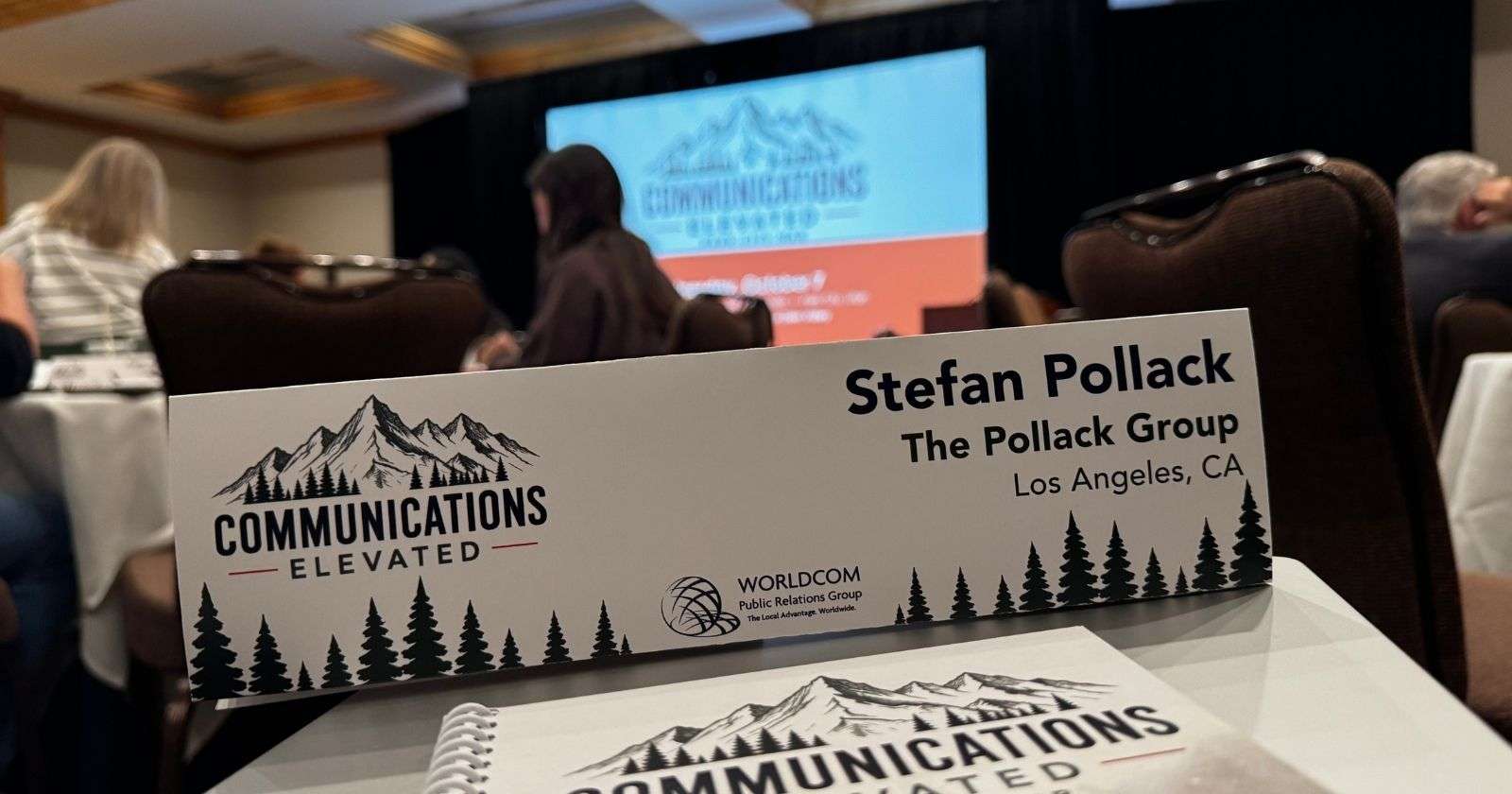
Elevated: Reflections on the Worldcom Public Relations Group’s North American Regional Meeting in Park City, Utah
Stefan Pollack reflects on the Worldcom Public Relations Group's North American Region meeting in Park City, Utah.

In The Red
Consumers Don’t Want Ads. They Want a Reason to Show Up.
Marketers chase attention. The challenge is figuring out how to earn it when consumers can scroll past a brand in a fraction of a second.

Solutions
Some communications challenges call for a more focused approach. The Pollack Group’s proprietary solutions combine decades of communications experience with specialized methodologies, technology and audience intelligence to help organizations solve specific business and reputation challenges. From strengthening messaging and preparing for a crisis to understanding audiences, elevating leaders and measuring how brands appear in AI-driven search, our solutions give organizations practical tools and insights they can put to work.
Leadership Now
Creating leadership platforms that are essential to building audience trust and confidence.