
5 Ways to Create Public Relation…ships
In an age when public relations professional have massive media databases, email-merge capability, ready and available access to any and all information at any time and in any place, it’s easy to forget that the media consists of people. I mean to say, individual people with personalities, interests, bad days and good days, favorite music sensations and plans for their days off.
As PR people, however, it is critical to remember this very important, but too often missed detail, of our work. Sure we have automated communication methods, sure we can sandblast client messaging to all verticals like a fire hose of irrelevant nonsense that clogs up emails and annoys editors. Sure we can do that, but it is important to remember, both for our own success but also the success of our clients, that effective PR is built upon good relationships.
The first step to any good relationship is to step back and think about what the recipient of the email will think. Brands have a message—a story to tell, sure, but the reader of that story has their own needs as well. Good PR is about identifying that need and tailoring the story to an individual, not to an outlet. Of course this is more work, but all good relationships do take a certain amount of work.
Here are a couple tips on putting the relationship back in PR:
- Read, read, read There’s no better way to understand your media audience, than to read… Brands, if you service a specific vertical or, PR pros, if you have a certain array of clients, there should be no limit to your appetite on what the media is producing. Reading is certainly about knowing what’s going on in the industry and following media cycles but it is also about listening for the tone and tenor of articles, learning who writes what, why and how and perhaps most importantly, learning the language the media speaks on your subject so you can visualize the headlines they need. It is a process of osmosis and critical to connecting with journalists on the human level.
- Target Your Pitch Before sending a media pitch, make sure it is going to the right person and outlet. It is important to be very thorough on relevance, as being irrelevant is one of the leading complaints from journalists about PR pros and brands. Just because someone covers technology, doesn’t mean they cover widgets. Just because an outlet covers housewares, doesn’t mean they review dinner plates. Those sophisticated media databases that we rely upon so heavily, have more than just emails, they have descriptions on what a reporter covers and often, their personal preference for content.
- Invoke Your Inner Journalist The most successful media relationships start with a forward understanding of the journalism trade. Brands and PR people must think like journalists in order to have messages resonate and the more that they do, the more journalists are inclined to listen to them. Many people in our agency have years-long relationships with journalists, simply because we know how they work, what they need and how to fulfill that need. Pitching is less about convincing a journalist to cover your story and more about delivering to the right journalist the story they are looking for.
- Invoke Your Inner Human It is important to remember that journalists are people. When you invoke your inner human, you think to yourself what that journalist is experiencing. How many emails do they get, and what would stand out if you were them? What do you need? How would PR people be helpful instead of a hindrance? Beyond that, they have a life outside the workplace. They have moods, lunches, a sense of humor… Talking to journalists like people, instead of as recipients of a pitch, is the necessary first step to creating a mutually beneficial platform of professional respect.
- Don’t Forget Courtesy It’s easy to forget “please” and “thank you.” It’s easy to underestimate the amount of work a journalist must go through in order to incorporate your brand or client into their articles. Their work is hard. A simple appreciation of that fact can go a long way.
So the next time you read a feature in The Wall Street Journal that is not about your brand or client, try to think about the steps that went into that article—and the relationships that were needed in order for it to happen.
For more agency insights, visit our WellRed archives
The Latest
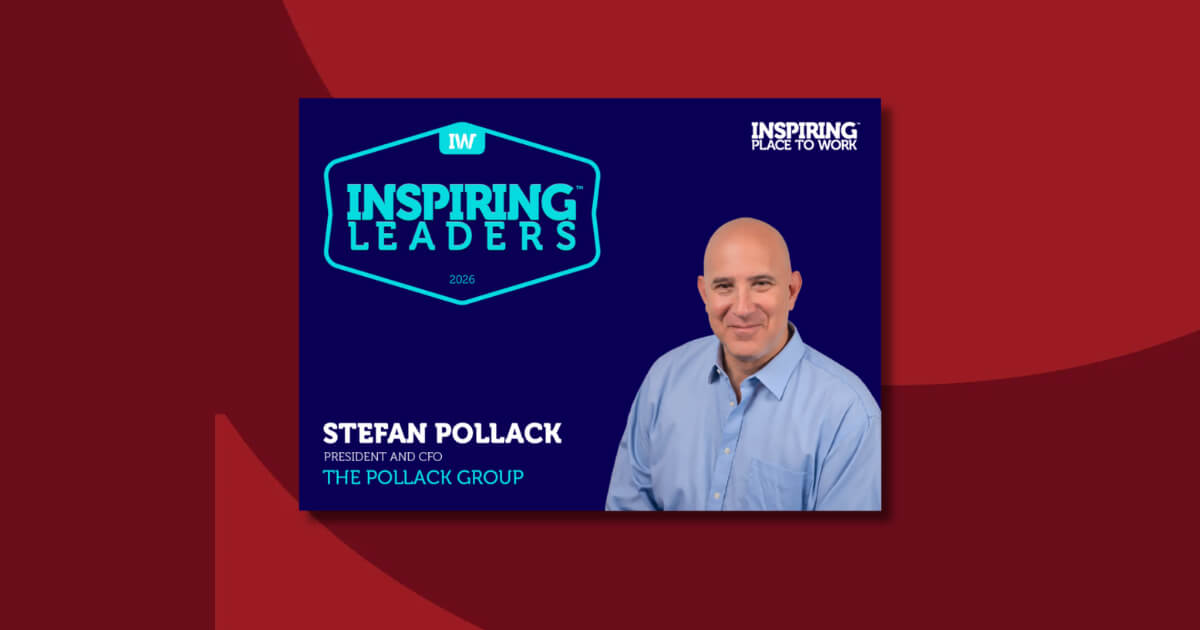
Stefan Pollack Recognized as a 2026 Inspiring Leader for Second Consecutive Year
Stefan Pollack earns his second consecutive Inspiring Leader recognition in 2026 for his commitment to people-first leadership, mentorship and workplace culture

How to Choose a PR and Creative Agency for Brand Storytelling
What to expect from an agency that combines PR and creative, the evidence to request, a scored checklist and a shortlist template for brand managers.
Looking Ahead to 2027: Our Predictions for PR and Marketing
What's ahead for PR and marketing in 2027? The Pollack Group shares predictions on AI search, brand reputation, discoverability and communications trends.

How to Choose a PR and Marketing Agency for Your Industry: A Buyer’s Guide
How to choose a PR agency for crisis, nonprofit, B2B tech, fintech, consumer, food and beverage or startup needs: criteria, proof and pitch questions.