

AI and the Creative Process: Enhancing Storytelling in PR
Public relations has never been static. But lately, the pace feels different. Deadlines are tighter. News cycles are louder. Clients expect sharper thinking and faster execution, often at the same time. At the center of that acceleration is artificial intelligence. In PR, AI has entered the conversation as both a promise and a threat. Some worry it will dilute creativity. Others treat it as a shortcut. In my experience, neither perspective captures what’s really happening. The real question isn’t whether communications professionals should use AI; it’s whether we know how to use it strategically, without sacrificing judgment, originality, or voice. And for agencies, that distinction matters.
In 2026, AI is no longer a novelty in public relations, it’s infrastructure. It shapes how content is discovered, summarized, and surfaced. The agencies that understand this are producing smarter, faster, and more strategic work. The ones that don’t are falling behind.
Creativity in PR Starts Before the Writing
Public relations is more than drafting news releases and media pitches. Our work begins much earlier. We study audiences. We analyze cultural moments. We assess risk and timing. We shape narratives that align with business goals and long-term reputation. AI is a useful partner in this workflow. It can and should be used to map out key themes, compare messaging approaches, or compile background information on a trend or industry. AI can build a framework. It cannot build instinct. It cannot understand nuance in the way a seasoned communicator can. By streamlining research and background analysis, AI creates space for what matters most: narrative, tone, and audience resonance. By reducing the mental clutter of research and information gathering, AI can help professionals focus more energy on narrative, tone, and audience resonance. These are elements that an algorithm cannot replicate.
AI as a Visibility Tool, Not Just a Writing Tool
One of the biggest shifts in communications today is not about drafting, it’s about discovery. Search engines now summarize content through AI models. Reporters use AI tools to scan trends. Investors and stakeholders rely on AI-driven platforms to evaluate companies and industries. That means brand messaging must be: clear, structured, consistent and explicit
If messaging is vague or fragmented, AI may misinterpret it, or worse, bury it beneath competitors with sharper positioning. This is where strategic communications becomes essential. We use AI not only to generate ideas, but to test clarity, to evaluate how messaging may be summarized, to identify inconsistencies before they become amplified across platforms. That foresight protects brand reputation in an AI-shaped media landscape.
Enhancing, Not Replacing Storytelling
Storytelling remains human at its core. Storytelling in PR depends on understanding the full picture a client is trying to convey. Brand stories need to feel timely and relevant while emotionally connecting with a wide range of people. AI supports this process by helping identify what reporters are covering, which angles are oversaturated, and where coverage gaps still exist.
For example: When working on a client campaign, artificial intelligence can be used to summarize existing media narratives or common conversations that are being discussed online. With this information, more informed decisions can be made about how to shape the campaign and which aspects that are already gaining traction.
Preserving Humanity in Communications
One of the most discussed concerns around AI in PR is the risk of losing a voice grounded in humanity. In communications, voice is foundational. We need to build trust between the communicator and the audience. We use AI to pressure-test messaging, identify blind spots, and evaluate clarity, but human judgment determines tone, risk, and cultural nuance. That balance protects both creativity and credibility. Only humans can truly understand how people speak, react, and feel. As a professional navigating media, culture, and identity, I feel it is crucial to empower my own growth by leveraging AI and not relying on it as a crutch.
AI is one of the many in long continuous evolution of the PR industry.
Never a Shortcut
Public relations has always evolved alongside technology. Email replaced fax. Social media reshaped amplification. Real-time analytics changed how we measure impact. Artificial intelligence is simply the next evolution. The risk isn’t that AI exists. The risk is using it carelessly. When treated as a shortcut, AI can flatten voice and weaken credibility. When treated as a strategic partner, it enhances precision, speeds research, and strengthens execution.
The future of PR storytelling is in our hands. AI will not replace strong communicators. But strong communicators who understand AI will replace those who ignore it. At The Pollack Group, we are building systems that integrate artificial intelligence without sacrificing voice, strategy, or integrity, ensuring our clients remain visible, relevant, and trusted in an AI-shaped media landscape.
The future of PR storytelling isn’t automated. It’s augmented. And when AI is used with discipline, intention, and experience, it doesn’t replace creativity. It sharpens it.
The Latest
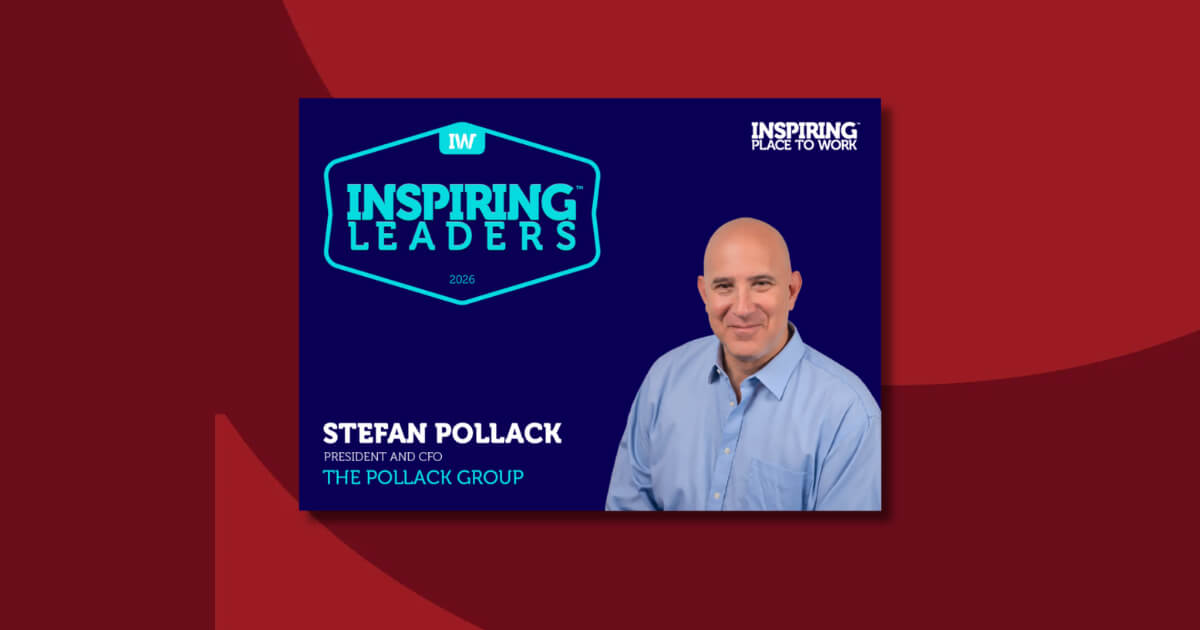
Stefan Pollack Recognized as a 2026 Inspiring Leader for Second Consecutive Year
Stefan Pollack earns his second consecutive Inspiring Leader recognition in 2026 for his commitment to people-first leadership, mentorship and workplace culture

How to Choose a PR and Creative Agency for Brand Storytelling
What to expect from an agency that combines PR and creative, the evidence to request, a scored checklist and a shortlist template for brand managers.
Looking Ahead to 2027: Our Predictions for PR and Marketing
What's ahead for PR and marketing in 2027? The Pollack Group shares predictions on AI search, brand reputation, discoverability and communications trends.

How to Choose a PR and Marketing Agency for Your Industry: A Buyer’s Guide
How to choose a PR agency for crisis, nonprofit, B2B tech, fintech, consumer, food and beverage or startup needs: criteria, proof and pitch questions.