

Amazon’s ordinary promotion that wasn’t…
For its 20th anniversary, Amazon decided to create a new shopping “holiday” Prime Day, named after the online retailers membership platform, Amazon Prime. At first glance, other than the self-serving nature of the new “holiday”, the concept appeared to be a stroke of brand marketing genius from the company that more or less pioneered online retail. Touted by Amazon as the day that would upend the other big shopping day of the year, “Black Friday,” excited shoppers prepared to grab deals that would be better than those offered at the traditional start of the holiday shopping season. While the hype surrounding Amazon’s new shopping day may have been on par with the hype surrounding black Friday deals, for most consumers, the Prime Day turned out to be a real turkey. It offers false expectations. Amazon should have left the comparison to Black Friday out of the equation and not messed with it.
For one thing deals and discounts were planned for its Prime membership — which is fee-based at $99. So the principle of having to spend money first and get discounts later did not sit well with the grumblers on social media. Amazon did open it up to nonmembers who could sign up for a free 30-day trial to participate in the promotion, but participate in it anyway. Just imagine the added boost for Amazon to get all that data from non-members in one day!
For another thing, deals sold out quickly resulting in much social media squawking — generally describing Prime Day as a bust, with Twitter posts such as “Happy Prime Day? More like #crappyprimeday.” People criticized lackluster deals, shifting prices and technical glitches.
What Amazon did create in abundance is a rise in sales for themselves — like 80% more than last year. Sales in Europe rose about 40 percent, according to the firm, which helps merchants sell on marketplaces including Amazon. The promotion was successful in the U.S. because it tripled Amazon’s normal growth rate of about 25 percent.
But the ordering peak lasted until noon. Most buyers were generally turned off, when remaining deals were about vitamins and cleaning products, rather than top selling electronic devices. Again, no comparison to Black Friday, which is a shopping day like none other and counted on by millions of households to fill wishes and needs that otherwise would be unaffordable.“
Amazon’s evaluation of success should be taken in stride for the grumbling that was heard loud and clear on social media platforms can certainly not be ignored. It’s worth remembering that frustrated and unhappy customers are not returning customers and that people today buy from companies that care for them, not just the profits.
The biggest miscalculation that Amazon made was by far their decision to take on Black Friday, a day that is firmly lodged in the minds of consumers as the biggest shopping day of the year. If Amazon really thought they could overtake a day that has organically grown to become a national shopping day, with a day that never existed until yesterday, then this might be the biggest miscalculation since Coke decided to change their formula and launch New Coke, exactly 20 years ago this past April.
I guess history does repeat itself.
The Latest
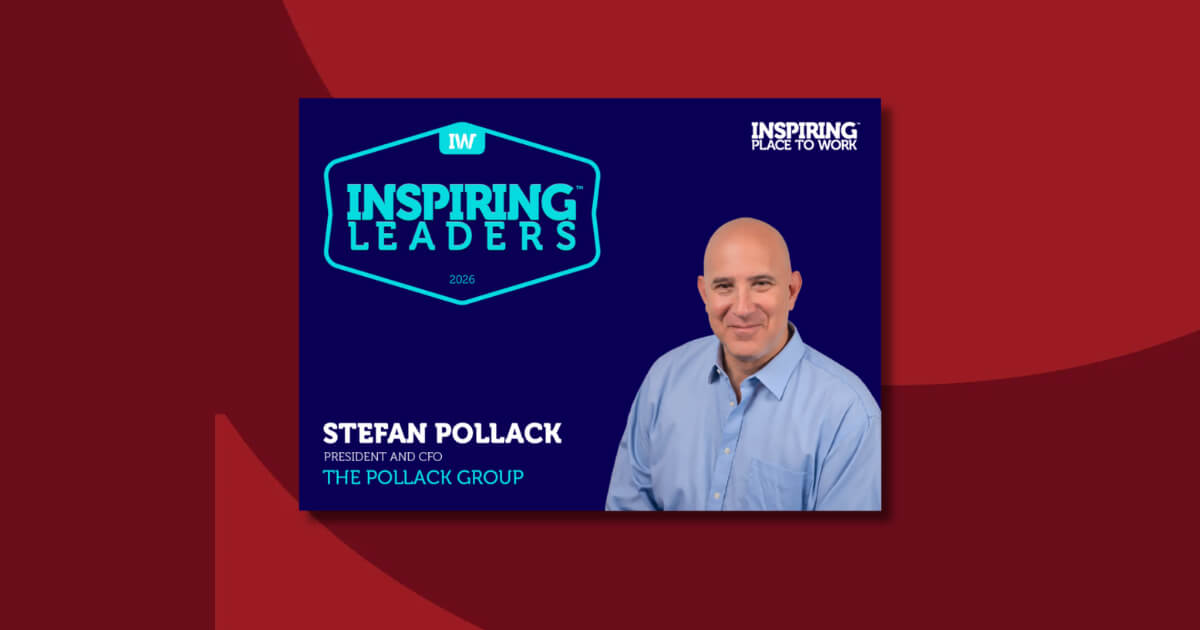
Stefan Pollack Recognized as a 2026 Inspiring Leader for Second Consecutive Year
Stefan Pollack earns his second consecutive Inspiring Leader recognition in 2026 for his commitment to people-first leadership, mentorship and workplace culture

How to Choose a PR and Creative Agency for Brand Storytelling
What to expect from an agency that combines PR and creative, the evidence to request, a scored checklist and a shortlist template for brand managers.
Looking Ahead to 2027: Our Predictions for PR and Marketing
What's ahead for PR and marketing in 2027? The Pollack Group shares predictions on AI search, brand reputation, discoverability and communications trends.

How to Choose a PR and Marketing Agency for Your Industry: A Buyer’s Guide
How to choose a PR agency for crisis, nonprofit, B2B tech, fintech, consumer, food and beverage or startup needs: criteria, proof and pitch questions.