
Are You on the Content Marketing Road Yet?
Content marketing is connecting brands to their customers in more effective ways than ever before.
According to a recent study by Mass Relevance & The CMO Club, 95% of CMOs say content marketing is important to their business. In droves, organizations both large and small are adding content positions to their executive leadership teams. Petco, Netflix, Coca-Cola and Time Magazine have all hired Chief Content Officers in the last couple of years. And these are only a few of the hundreds, even thousands, of brands that have created content positions. Why? Because content has become the most effective marketing strategy.
Yesterday’s marketing principles–product, place, price, promotion—have become engage, equip and empower today. An effective content strategy can deliver more value to today’s digital consumer than any other form of marketing.
That is why 93% of B2B marketers are using content marketing and 90% of B2C marketers use this strategy as well. Further proof: there’s an entire association dedicated to content marketing best practices, Content Marketing Institute, and a magazine produced for the trade, Chief Content Officer Magazine.
Building a content strategy is deliberate, and it is multi-pronged. It starts with establishing a strategy, then creating the content, disseminating the content, and finally monitoring and analyzing the effectiveness of the content.
PR professionals are best able to develop effective content programs because of their focus on brand storytelling and a “helping not selling” mentality. Use these tips to get you going on the road to helping customers with effective content marketing:
Build a Content Strategy
The key to building a strong content strategy is answering this question: “What value can you provide to your target audience?” Content marketing is not about “the sale.” The trick is to build a relationship with your target audience through information that can help their lives. When that is done, the sales will follow. Audiences will learn to rely on you as a resource for a problem they face. You become the solution to their pain.
The Right Channels
Now that you know how you can help your customers and potential customers alike, you’ll need to generate content that will give them that information in an effective way. Before putting pen to paper, understand the channels you’ll use to disseminate the content. Will you use email, social media, your blog, for example? Each of these unique platforms has their own set of best practices. Even the content for Facebook and Twitter needs to be considered differently.
Write
Use brand guidelines to shape the tone of voice and style of your writing. Is your brand or company witty? Humorous? Friendly? Genuine? It’s important that the writing across the organization reflect the same tone and style. If not, you risk confusing your audience and that is one of the biggest ways to turn them off.
Today’s consumer has a focused attention span one second less than a goldfish. Yup, you read that right. What that means for the content producers within your organization (hint, that’s everyone!) is that it is mandatory to make your writing as short and concise as possible. Say what you have to say in as few words as you can muster. That simple advice will increase the chances that your audience will read and engage with your content.
Monitor, Analyze, Amplify
Every piece of content that is distributed to your audience needs to be measured for effectiveness. How many opens, views, and clicks did it receive? On a deeper level, how many conversions did it produce? Analyzing how your content performs will allow you to continue to optimize your content marketing moving forward.
You can also consider testing methodologies like A/B split testing upon disseminating your content. For instance, use different subject lines for the same email or different phrasing for a tweet that links to the same article. Which one got more opens, more clicks, more favorites, more retweets? These insights will help you fine-tune the messages that most resonate with your audience.
These are the keys; now the driving is up to you.
For more agency insights, visit our WellRed archives
The Latest
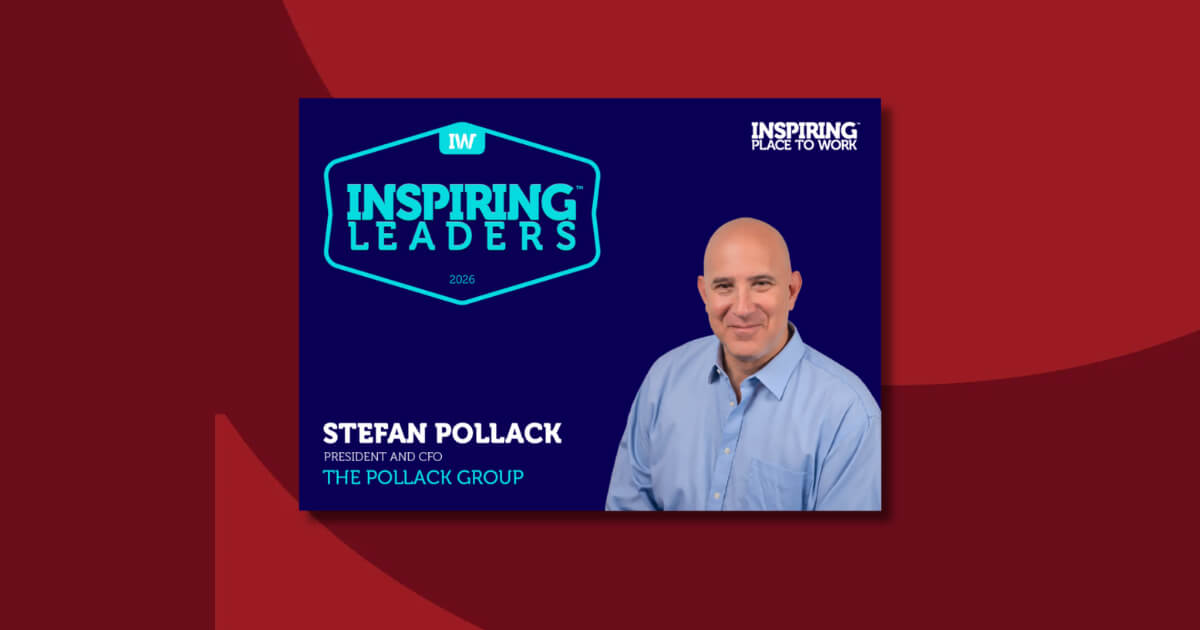
Stefan Pollack Recognized as a 2026 Inspiring Leader for Second Consecutive Year
Stefan Pollack earns his second consecutive Inspiring Leader recognition in 2026 for his commitment to people-first leadership, mentorship and workplace culture

How to Choose a PR and Creative Agency for Brand Storytelling
What to expect from an agency that combines PR and creative, the evidence to request, a scored checklist and a shortlist template for brand managers.
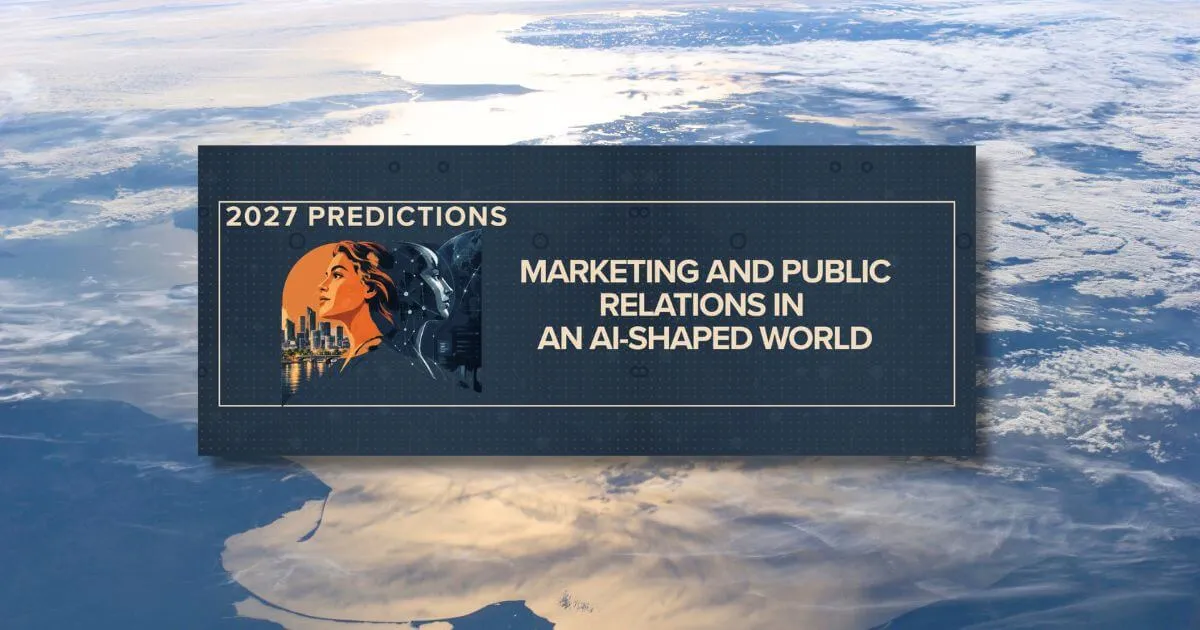
Looking Ahead to 2027: Our Predictions for PR and Marketing
What's ahead for PR and marketing in 2027? The Pollack Group shares predictions on AI search, brand reputation, discoverability and communications trends.

How to Choose a PR and Marketing Agency for Your Industry: A Buyer’s Guide
How to choose a PR agency for crisis, nonprofit, B2B tech, fintech, consumer, food and beverage or startup needs: criteria, proof and pitch questions.