
The Impact of Artificial Intelligence In The Newsroom And What It Means For Public Relations Professionals
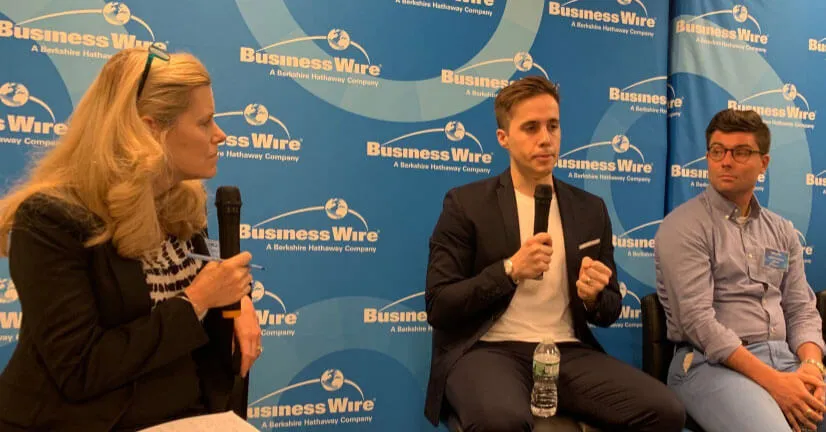
By all accounts, Artificial Intelligence (AI) is already impacting many different industries and, according to a recent Business Wire’s Meet the Media Event, titled “Introduction to Artificial Intelligence in the Newsroom,” the media landscape is no exception. Panelists from many media organizations were represented at the meeting including: The Associated Press, Quartz, Viacom and The Wall Street Journal. While AI has already made an impact in the newsroom, it’s still unknown exactly what role it will play in the media industry in the future. What is sure, is that machine learning is here to stay, and there are a number of important takeaways to be recognized.
Here are a few:
AI Is Already In Use
Readers might want to know that for the Wall Street Journal (WSJ), Quartz, and the Associated Press (AP), AI is actively helping journalists in the newsrooms work more efficiently. It is facilitating a move away from routine work so that journalists can produce higher impact journalism. Machine learning is already helping reporters’ sort through documents and images quickly to find the most relevant information, providing journalists essential information to create more content while saving them time. Viacom is using machine learning by figuring out precisely what their consumers want to see or enjoy seeing across both traditional and social platforms, then using this information to determine where it should be targeting ads so that Viacom campaigns can reach wider audiences.
The Machine Isn’t Always Right
There is a flawed presumption that the resulting information returned by the machine’s algorithm automatically must be right. While the machine can recognize and decide things well, newsrooms must remember that biased material can be found in most results, driving home the need for human journalistic involvement when writing stories. At the AP, for example, any published automated story will have already met the company’s core values, will read like an AP story, and will have a notation at the bottom disclosing the data source.
PR Professionals Will Need To Work With AI
The AP believes that the use of algorithm-distributed news will be a more likely implementation of AI, compared to having to pitch a robot or machine, and that PR pros should expect to see more and more stories with an AI-assisted analytical angle. According to Quartz, using data over sourced quotes in articles is something PR professionals will need to adjust to, as machine learning opens up more questions and will still need concrete information to back up its data findings.

The Present And Future Of AI
What is noteworthy is that it is still possible for publications to produce a story where an article looks like a human wrote it but was written by a machine. Today at the WSJ, journalists are creating templates to shape stories for a machine that will then import historical data sets for an article. For now, the technology for machines to write their own stories is still years away.
Viacom is now experimenting with automated tagging on past content produced. Gathering this information will allow Viacom’s media team to see what type of content resonated with certain audiences in the past, in order to help predict what will capture future audiences.
Bloomberg reports that 30 percent of its financial stories are already developed by AI. Their system, Cyborg, assists reporters in churning out thousands of articles on companies’ earnings each quarter and have the ability to dissect a financial report the moment it appears and creates an immediate news story.

So, what are the implications for PR professionals? As AI technology spreads, professionals will need to learn how to write press releases that maximize algorithms for the most accurate and beneficial outcome possible. In the recent Global Communications Report from the University of Southern California’s Annenberg School for Communication and Journalism’s Center for Strategic Public Relations, surveyed students have a different perspective compared to PR professionals on AI’s role in the industry and what type of content will become coverage.
While machines aren’t replacing reporters just yet, they are helping them improve the more routine aspects of their job. With new technology quickly taking shape in the industry, PR professionals will need to adopt new skills and learn how to translate data into actionable insights.
The Latest

Stefan Pollack Recognized as a 2026 Inspiring Leader for Second Consecutive Year
Stefan Pollack earns his second consecutive Inspiring Leader recognition in 2026 for his commitment to people-first leadership, mentorship and workplace culture

How to Choose a PR and Creative Agency for Brand Storytelling
What to expect from an agency that combines PR and creative, the evidence to request, a scored checklist and a shortlist template for brand managers.
Looking Ahead to 2027: Our Predictions for PR and Marketing
What's ahead for PR and marketing in 2027? The Pollack Group shares predictions on AI search, brand reputation, discoverability and communications trends.

How to Choose a PR and Marketing Agency for Your Industry: A Buyer’s Guide
How to choose a PR agency for crisis, nonprofit, B2B tech, fintech, consumer, food and beverage or startup needs: criteria, proof and pitch questions.