

Don’t Let These 8 Wrong Assumptions Ruin Your PR Campaign
PR professionals work hard to build reputations and expand awareness for their clients. But efforts alone are not enough. It is about generating desirable results. If you’re struggling, don’t fret; there are many common mistakes professionals make in their outreach. Here are eight traps to avoid in your work.
Assumption 1: Pitching is one-and-done
No, pitching doesn’t end when you hit “send.” Actually, that’s just the start. Always make sure to follow up with reporters, so as not to let media opportunities slip through the cracks.
Assumption 2: Reporters should understand my jargon
It's one thing to share insightful views about a specific subject, but filling a pitch with a hard-to-understand mysterious jargon, is not the same. While some reporters who are industry experts can decipher it, others may just delete your email when they find it too hard to understand.
If your pitch includes technical terms or jargon, then it's your time to shine as a communicator: translate them into plain language. By bridging the vocabulary gap, you're making reporters' lives easier and getting closer to your next media opportunity.
Assumption 3: Reporters will read my entire pitch
Remember, your pitch needs to compete with hundreds, if not thousands, of others in a reporter’s inbox. Even if the reporter opens your email, it’s more likely that they will only take a quick glance at the first few sentences. Make sure you lead with an attention grabber - the most important information succinctly written. Too many upfront details may be a deterrent.
Assumption 4: Reporters will open my attachment
Due to cybersecurity concerns, many email service providers automatically block strangers’ emails that come with attachments. Instead of attaching documents to your pitch, share your media materials, like photos and videos, via Dropbox or Google links. This also shows respect for the recipients, as you’re not jamming their inboxes with large files.
Assumption 5: If I miss the reporter’s deadline, there’s nothing else I can do
Deadlines are important, but don’t let them intimidate you. Many reporters and editors update their published stories online, so a late pitch is still worth submitting. Keep looking for opportunities, follow up even if you think it’s too late, and your client will thank you later.
Assumption 6: If an interview takes place, coverage is guaranteed
While you eagerly monitor for media coverage, remember that reporters don’t necessarily quote every interviewee in their pieces. Reasons vary: the conversation wasn’t insightful enough, the story needed further research, or the reporter just wanted to have an introductory call to learn more about a topic.
Don’t be discouraged if the reporter ends up leaving your client out of the story. Regardless of the outcome, always follow up to maintain a friendly relationship with your media contact.
Assumption 7: An off-the-record conversation is harmless
Being off the record does not mean the conversation never took place. In fact, anything that happens during an interview contributes to the reporter’s understanding of the interviewee – and you as the PR professional who facilitated the opportunity. Therefore, always make sure to train and remind your client to deliver the right messages, regardless of being on or off record.
Assumption 8: For earned media, impressions reign
When it comes to KPIs and reporting, keep in mind that success is dictated by many factors: impressions, outlet types, and tones, to name a few. While impressions and ad equivalency value matter in this data-driven world, don’t be tricked by large numbers. Not all press is good press. Instead, prioritize quality over quantity. And remember that your definition of success may differ from your client’s, so counsel them accordingly.
The Latest
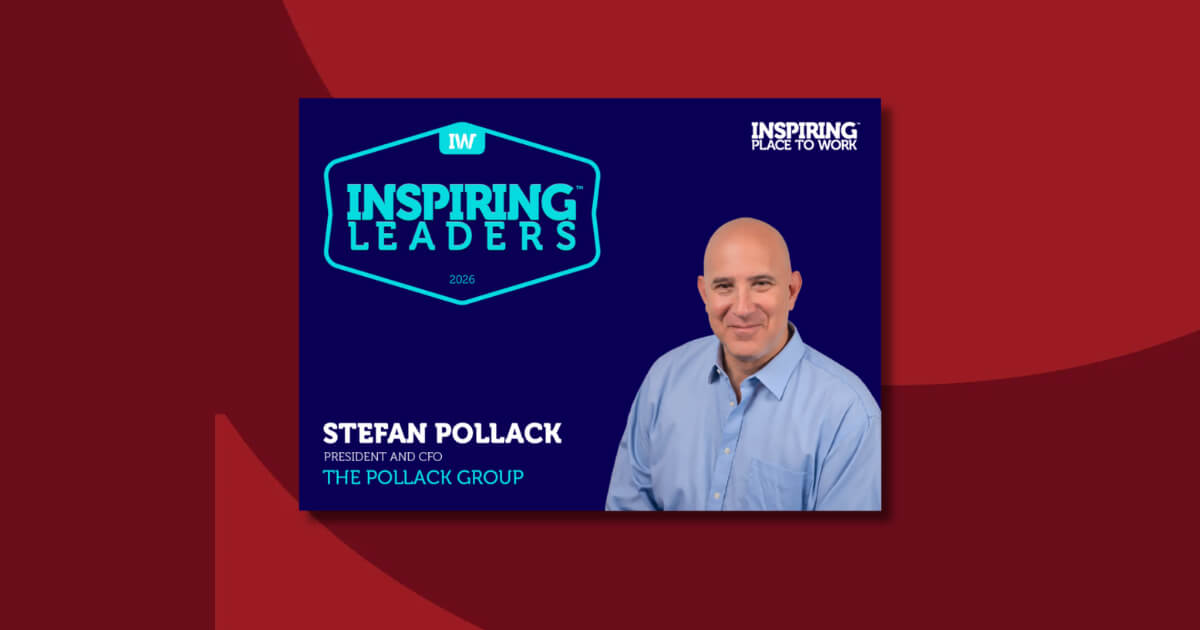
Stefan Pollack Recognized as a 2026 Inspiring Leader for Second Consecutive Year
Stefan Pollack earns his second consecutive Inspiring Leader recognition in 2026 for his commitment to people-first leadership, mentorship and workplace culture

How to Choose a PR and Creative Agency for Brand Storytelling
What to expect from an agency that combines PR and creative, the evidence to request, a scored checklist and a shortlist template for brand managers.
Looking Ahead to 2027: Our Predictions for PR and Marketing
What's ahead for PR and marketing in 2027? The Pollack Group shares predictions on AI search, brand reputation, discoverability and communications trends.

How to Choose a PR and Marketing Agency for Your Industry: A Buyer’s Guide
How to choose a PR agency for crisis, nonprofit, B2B tech, fintech, consumer, food and beverage or startup needs: criteria, proof and pitch questions.