
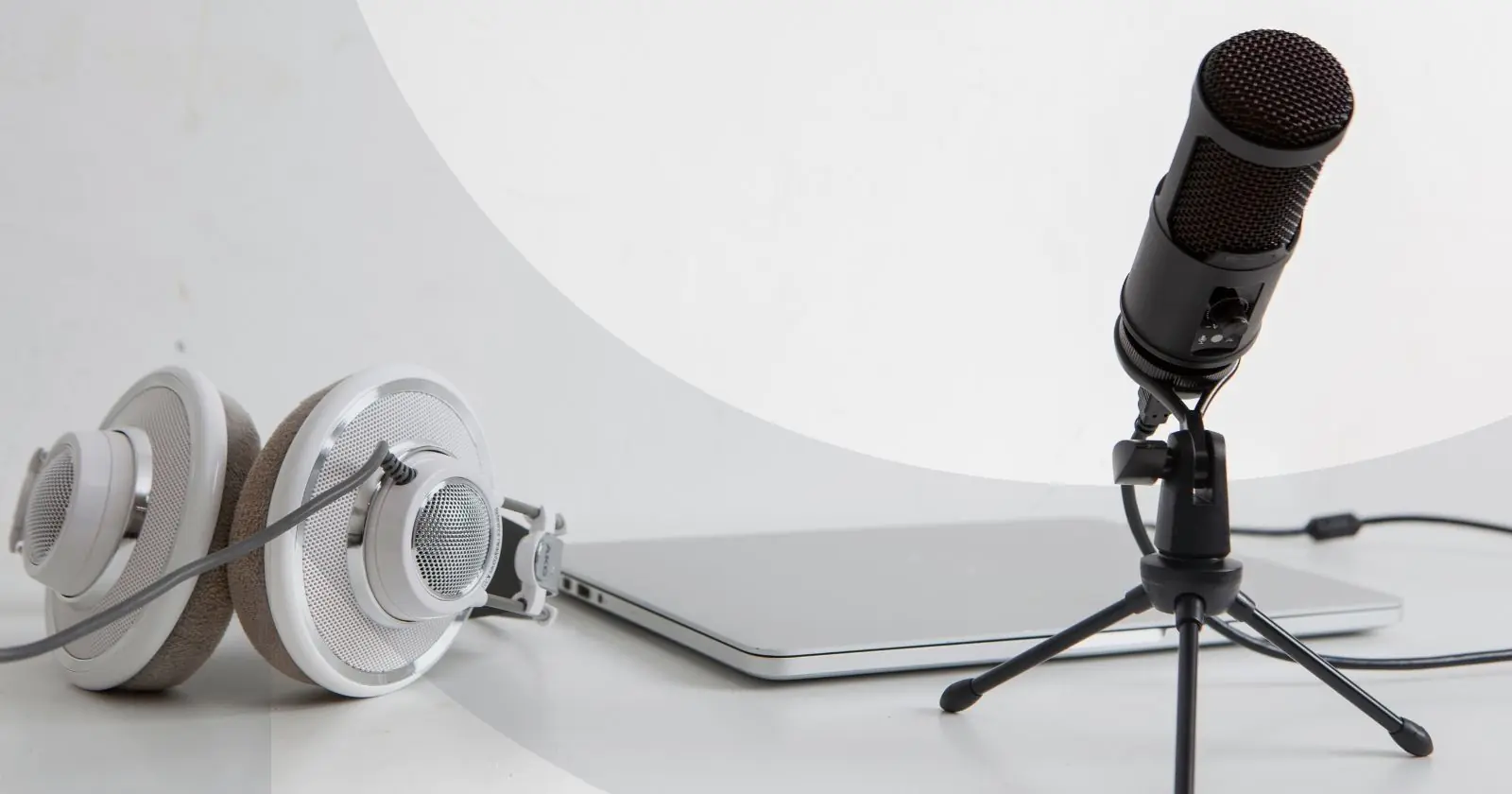
Flawless Remote Podcasting: Agency-Tested Tips for Better Sound, Conversations, and Credibility
Remote podcasting isn’t just a workaround anymore; it’s the norm. And whether your guest is joining from a studio or their spare bedroom, flawless audio and engaging conversations are still within reach.
As the producers of imPRessions, The Pollack Group’s podcast, we’ve developed a system to make remote recordings sound professional, natural, and agency-grade, without the need for a full studio.
Here’s how to elevate your remote interviews with techniques we use every week.
It’s not about chasing perfection; it’s about creating the best environment for a real conversation, starting with prep, sound, and backup.
Prep Like a Pro
The most underrated step in a great remote interview is setting clear and realistic expectations. Our imPRessions team always prep our guests ahead of time: what platform we’re using, how long to block off, and why they need to wear headphones. We throw in a couple of quick tips on mic positioning and room setup, especially if we know they’ve never done this before.
A 15-minute introductory call can and will save your entire interview. You’d be surprised how much you can troubleshoot through a quick chat on the same platform you’ll record on, and plus, it helps your guest feel more comfortable.
Comfort, in this case, equals better conversation once the red light is on.
Sound is Everything… Even in a Closet
You don’t need a studio setup to get clean audio; you just need to care more than you would on your average Zoom call. We always encourage guests to record in as quiet of a room as possible, and honestly, closets make great recording spaces. They’re naturally insulated, and they tend to cut out echo, which can be problematic when cleaning up your edit.
If your guest doesn’t have a fancy mic, that’s fine. The most basic headphone/mic combo can suffice, but no matter what they’re using, mic placement matters. Aim for about a fist’s distance from the mouth, and make sure nothing is rustling against the mic, especially when wearing wired headphones.
Feel free to start with a quick warm-up before recording to help your guest loosen up and to give yourself a chance to catch any audio issues before you delve too deeply. To reiterate, because it’s that important: everyone needs to wear headphones. Echo will ruin a great interview faster than you can switch to your next topic.
Your Tech Will Fail You Eventually… So Always Have a Backup
Even if you’re pulling all the right levers, technology will betray you eventually. Your producer isn’t (totally) incompetent; it just fails at one point or another. With that in mind, ensure that you use platforms that record each speaker’s audio locally, such as Riverside or SquadCast (which is preferred by our agency). It’s one of the easiest ways to avoid choppy recordings and audio drift.
When possible, your guests can also record a backup voice memo on their phone during the interview. You may never need it, but when you do, it’s a couple of megabytes on your phone well spent.
And please double- and triple-check that recordings are still active as you go. This simple step will save you from heartbreak later.
If the audio won’t sync itself or something else goes wrong, don’t be afraid to reschedule. Going live with a glitchy episode does way more harm than taking a little extra time to get it right.
Final Thoughts
At the end of the day, the best interviews don’t happen because of expensive gear or a flawless connection. They happen when both people show up prepared, relaxed, and ready to connect beyond just the topic of the day.
Once the technical stuff is out of the way, lean into the moment. Ask curious questions. Follow the tangent and let the conversation breathe.
Remote recording doesn’t have to feel distant, and with the proper setup, your audience will be totally oblivious to the fact that you weren’t even in the same room, state, or even country.
Want to hear these tips in action? Listen to our imPRessions podcast, produced remotely across time zones, with top guests from brands and media. Visit pollackgroup.com/imPRessions or find us wherever you stream. (and be sure to subscribe!).
The Latest
Stefan Pollack Recognized as a 2026 Inspiring Leader for Second Consecutive Year
Stefan Pollack earns his second consecutive Inspiring Leader recognition in 2026 for his commitment to people-first leadership, mentorship and workplace culture

How to Choose a PR and Creative Agency for Brand Storytelling
What to expect from an agency that combines PR and creative, the evidence to request, a scored checklist and a shortlist template for brand managers.

Looking Ahead to 2027: Our Predictions for PR and Marketing
What's ahead for PR and marketing in 2027? The Pollack Group shares predictions on AI search, brand reputation, discoverability and communications trends.

How to Choose a PR and Marketing Agency for Your Industry: A Buyer’s Guide
How to choose a PR agency for crisis, nonprofit, B2B tech, fintech, consumer, food and beverage or startup needs: criteria, proof and pitch questions.