

From Chaos To Clarity: How To Align Corporate Messaging Across The Entire Organization
Imagine a well-coordinated orchestral performance. Every musician knows the notes that they need to play and how those notes contribute to the harmony of a piece. These separate notes come together to create a masterful performance, but if one member of the orchestra loses sight of their part, the performance can fall apart. The same concept applies to corporate communications.
Aligning corporate messaging across an entire organization is paramount to long-term success. This means that every department is equipped with the right key messages to deliver to respective stakeholders, including media, investors, customers, influencers, and others. Let’s explore the value of precisely defining your key messages and aligning your corporate communications strategy around one simple, effective framework.
Which Team Members Need to Know This Framework?
Everyone. Top to bottom.
When C-suite executives align on corporate messaging, they ensure a cohesive and consistent company narrative, and alleviate the risk of sharing inconsistent or conflicting messages. This is essential for effective media relations.
What’s more, every department within an organization should align around the same central messaging framework, adapting it to their own stakeholder audience. For marketing teams, consistency in brand communications, which may include marketing collateral and sales campaigns, can enhance audience perception, and reinforce its key differentiators.
For example, take a fashion brand that sells ethically sourced clothing at a moderate price. In its corporate messaging framework, the company addresses customer pain points by noting that its products are more ethically sourced than fast fashion companies and cheaper than those of other sustainable fashion competitors. Key messages can be tailored to various audiences, addressing different pain points for different customers based on psychographic profile, or for different media influencers based on the topics they cover. For example: pain points that the brand addresses may be communicated differently to reporters that cover fashion versus those that cover sustainability. With its key messages solidified, the CEO can adapt them to tout company growth to the media, while the marketing team can adapt them to advertise to the target consumers.
HR teams also benefit from aligning corporate messaging as they recruit new employees. Consistent messaging ensures that HR representatives can effectively attract the right talent to support the company's goals. For instance, Apple's corporate messaging revolves around innovation, design, and simplicity. This messaging can be reflected not just in their advertising or the mindset of the C-Suite, but also in their recruitment process. The HR team should seek out individuals who share the company's passion for redefining technology with innovative design and simplicity. With the help of a centralized messaging framework, even an organization as large as Apple can streamline its communication in the HR process to forward-thinking designers and engineers.
Components of a centralized corporate messaging framework
Characterizes the Company: The organization's identity can be clearly articulated through a company boilerplate and then condensed into a value proposition. The features, benefits, and core values of the company can be identified by conducting branding exercises with the company’s top stakeholders to understand their perception of the company’s identity. Interviews should be conducted with these stakeholders and statements can then be crafted combining their sentiment.
Defines the Market: Factors should be specified that impact the sector in which the company operates and and then provide intricate details as to exactly how this market is changing. Position the organization as one that is effectively and efficiently responding to these changes with the products or solutions it provides.
Paints a Picture of Your Target Audience: Niche segments of the brand’s customer base should be clearly identified. Are they tech-savvy millennials seeking sustainable products, or busy professionals hunting for time-saving solutions? What are their consumption habits, lifestyle choices, and decision-making processes. And how can you encapsulate these details into just a few sentences?
Addresses Pain Points: The pain points that the organization resolves for its target audience shoud be clearly defined. Highlight the specific challenges or problems that the company's products or services solve, emphasizing the value and benefits provided.
Crafts Key Messages: Key messages that encapsulate exactly what sets your organization apart from the competition should be developed. These messages should be concise, compelling, and aligned with the needs of the target audience.
Provides Proof Points: Supporting key messages with concrete proof points that demonstrate how these key messages manifest themselves, is vital. These proof points can include case studies, success stories, customer testimonials, industry awards, or data.
Developing a centralized messaging framework and aligning the entire organization around it will establish a strong foundation for consistent and impactful communication. Team members across departments will collectively understand the organization's identity, the needs of its target audience, and the exact purpose of the solutions that the company provides. With a centralized messaging framework in place, organizations can more effectively differentiate themselves, engage their audience, and achieve their communications goals.
The Latest
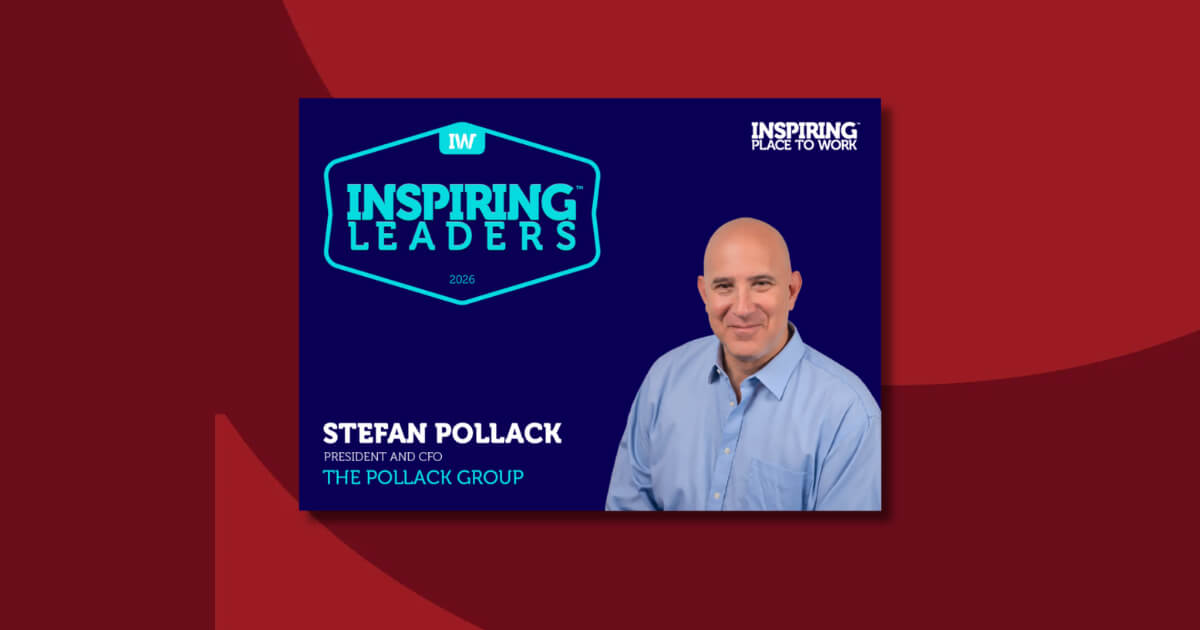
Stefan Pollack Recognized as a 2026 Inspiring Leader for Second Consecutive Year
Stefan Pollack earns his second consecutive Inspiring Leader recognition in 2026 for his commitment to people-first leadership, mentorship and workplace culture

How to Choose a PR and Creative Agency for Brand Storytelling
What to expect from an agency that combines PR and creative, the evidence to request, a scored checklist and a shortlist template for brand managers.

Looking Ahead to 2027: Our Predictions for PR and Marketing
What's ahead for PR and marketing in 2027? The Pollack Group shares predictions on AI search, brand reputation, discoverability and communications trends.

How to Choose a PR and Marketing Agency for Your Industry: A Buyer’s Guide
How to choose a PR agency for crisis, nonprofit, B2B tech, fintech, consumer, food and beverage or startup needs: criteria, proof and pitch questions.