

How Experiential Marketing Drives Better Brand Awareness
Marketing is continuously evolving, with brands constantly sourcing new and innovative ways to bolster their image and reputation. Gone are the days when placing an advertisement would bring in the sales and business desired. Today, brands need to be creative and inventive to attract the right audience.
Experiential marketing is a relatively new concept, but has gained traction in recent years as a practical approach in targeting current and new audiences. In short, experiential marketing rests on the idea of leaving a lasting brand impact by coordinating a campaign, or initiative, that provides consumers with an “experience.”
Lean Cuisine launched a campaign inviting women to NYC’s Grand Central Station to weigh in on their accomplishments, not their bodies. The company’s videos went viral, and the brand’s Chief Marketer reported Lean Cuisine saw its first sales spike after the campaign wrapped in over a year.
Another successful example was Netflix’s coffee shop replica of Luke’s Diner, a prominent location of the hit series Gilmore Girls. To celebrate the show’s reboot, Netflix took over 200 coffee shops nationally, and offered free coffee to visitors. The experience saw a tremendous turnout from the show’s most loyal fans.
There are various reasons why experiential marketing works compared to traditional, old-fashioned marketing tactics.
Experiential marketing is typically interactive.
Ultimately, experiential marketing invites consumers to be part of the campaign. There is a need for them to be physically present at a pop-up event or engaging with a coordinated social media campaign; consumers are part of something larger than themselves. Instead of being fed an advertisement, they are asked to participate, creating a space of like-minded consumers who all have something important in common.
Experiential marketing typically taps into a specific emotion.
The Lean Cuisine campaign resonated with women who wanted to celebrate their bodies and feel confident in their appearances. Likewise, the Gilmore Girls’ event focused on a demographic that grew up watching the show, hitting a sentimental nerve of nostalgia for their youth and adolescence. Experiential marketing usually triggers an emotion for consumers, which is often why they are so effective. Whether an experience makes someone laugh, cry, or shiver in fear, chances are they’ll remember the brand.
Experiential marketing makes consumers feel included – not advertised to.
Consumers are sick of sales pitches. From pop-up banners to sponsored ads on social media, it’s difficult to avoid the constant hassle of being pushed and persuaded to purchase a product or follow a new brand. Experiential marketing is a non-invasive way of showing consumers what the brand or product is about – without shoving it in their faces. The subtle brilliance of the marketing approach is that it brings consumers onboard without force and taps into an emotional connection, usually without much effort.
Experiential marketing is creative, unique, and fun.
The real beauty of experiential marketing is that it’s fun, plain, and simple. Consumers have a great time interacting with the brand’s campaign and the innovative minds behind the initiative get to experience how consumers engage with the brand or product – a win-win for both sides. Brands get to be provocative and think outside the box; in fact, it’s recommended. And consumers can engage without being uncomfortably pitched to or sold into a promotion. As a result, experiential marketing creates a positive experience for all parties.
While traditional forms of marketing are still effective, experiential marketing is the future. Brands that are serious about obtaining new customers and building loyalty with current ones, need to embrace the changing currents of marketing. Chances are, they’ll be pleasantly surprised at how effective and powerful a well-thought-out experiential marketing campaign can be.
Try it out and trust us; your sales department will thank you.
The Latest
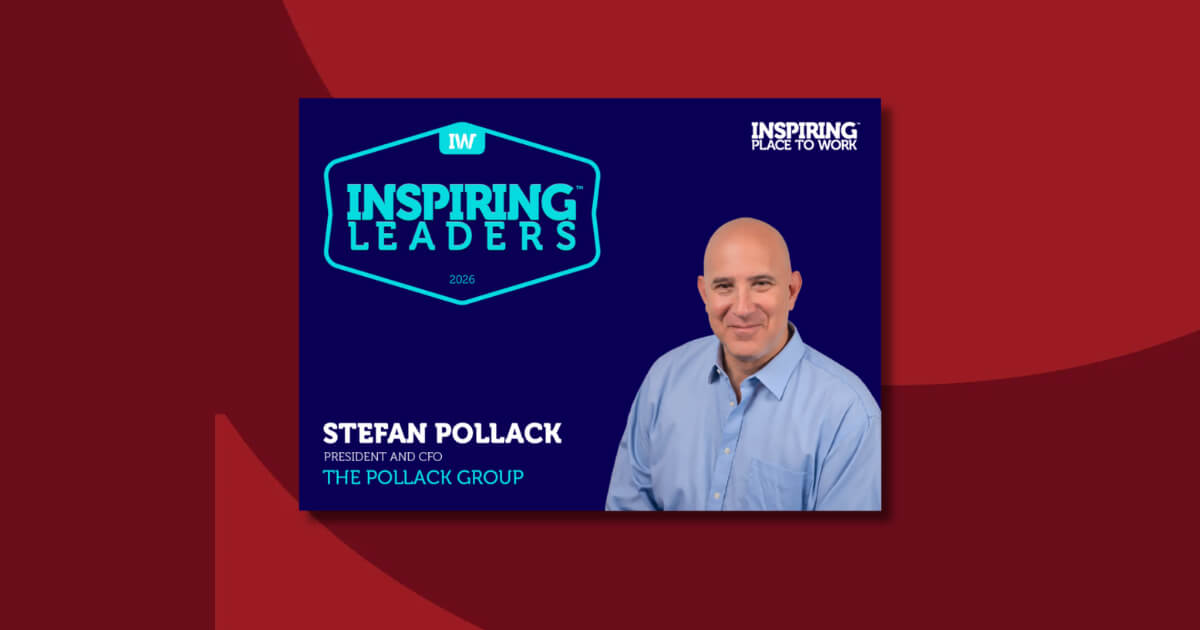
Stefan Pollack Recognized as a 2026 Inspiring Leader for Second Consecutive Year
Stefan Pollack earns his second consecutive Inspiring Leader recognition in 2026 for his commitment to people-first leadership, mentorship and workplace culture

How to Choose a PR and Creative Agency for Brand Storytelling
What to expect from an agency that combines PR and creative, the evidence to request, a scored checklist and a shortlist template for brand managers.
Looking Ahead to 2027: Our Predictions for PR and Marketing
What's ahead for PR and marketing in 2027? The Pollack Group shares predictions on AI search, brand reputation, discoverability and communications trends.

How to Choose a PR and Marketing Agency for Your Industry: A Buyer’s Guide
How to choose a PR agency for crisis, nonprofit, B2B tech, fintech, consumer, food and beverage or startup needs: criteria, proof and pitch questions.