

Omnichannel Marketing: We Still Live In An Offline World
Marketing, at its core, remains unchanged. The goal is clear: to promote and sell products or services to consumers. What hasevolved are the channels marketers use to achieve this. As we continue to embrace the digital landscape, marketers face a common question: “How can I leverage this to my advantage?” The answer isn’t straightforward because marketing resonates differently with each audience. While one consumer might be influenced by an Instagram post, another might be drawn to an ad in their daily newspaper.
Though these two methods seem worlds apart, both succeed in their fundamental task: capturing a potential customer’s attention. This is why physical marketing continues to hold value, even in our digital-dominated era. Billboards, signage, print ads, experiential marketing, and direct mail remain vital instruments in the marketing symphony. While they may no longer dominate as they once did, these traditional channels still serve as the cornerstone of many successful marketing strategies.
Small Scale
Snail mail, print ads, and signage are among the most common forms of physical marketing today. Their effectiveness stems from several factors, but most notably, their accessibility. Even without a phone or computer, it’s likely that consumers will encounter at least one of these marketing tactics in their daily lives.
Not only do these methods bring products and services to the forefront of consumers’ attention, but research shows that people often find them more enjoyable than digital ads. According to the U.S. Postal Service, as many as 55% of Americans are eager to read their letters (ICCFA), making snail mail a potential highlight of someone’s day. This underscores the importance of a well-crafted messaging strategy. Once you’ve captured a consumer’s attention, it’s crucial that your brand delivers a clear and compelling message.
Our proprietary MessageDNA solution, for instance, is a valuable tool that helps ensure that your brand’s communication resonates effectively.
Brick-and-Mortar
When it comes to marketing, brick-and-mortar stores offer unique advantages. The ability to advertise a product or service and allow customers to purchase it immediately is invaluable. For any business with a physical location, two top priorities should be increasing foot traffic and optimizing the customer experience. Offering customers the opportunity to make an instant purchase the moment something catches their interest is a powerful way to achieve both. Despite the advantages of eCommerce, it’s no coincidence that brick-and-mortar sales still account for 94% of total retail sales (Forbes).
In-store events, coupons, a strategic store layout, and branded merchandise giveaways are just a few simple yet impactful ways to drive engagement and build a positive brand image. While online marketing is incredibly valuable, the beauty and simplicity of brick-and-mortar marketing can generate results in ways that digital strategies cannot.
Experiential
One thing customers consistently value is the ability to test a product before they buy it. In fact, 74% of consumers say that engaging with branded event marketing experiences makes them more likely to buy the products being promoted (Forbes). The saying “seeing is believing” has never been more relevant than in the world of experiential marketing. To earn a customer’s trust, there’s no better way than showing them firsthand what their money will buy.
Experiential marketing operates across five key dimensions: sensory experience, emotional experience, action experience, thinking experience, and associative experience. Consumers must experience a product through various interactions—feeling, testing, engaging, relating, and reacting—to gain confidence in their purchase decision. For physical products, offering these direct experiences is crucial to ensuring customer satisfaction.
Traditional vs. New Wave
What makes this era of marketing unique is that digital and physical strategies are not necessarily mutually exclusive. With nearly everyone in the world carrying a computer in their pocket, the opportunities for marketing are virtually limitless. By combining real-world marketing with the digital landscape, brands can cast a wide net and maximize their visibility.
Like traditional marketing, new wave marketing encompasses many forms. From targeted ads on social media to engaging blog posts, the foundation of new wave marketing is similar to that of the past, yet distinctly different. QR codes and customer loyalty programs are examples of modern advertising tactics that capture attention in much the same way traditional marketing did, but with a digital twist. While defining your brand’s style and carving out a niche in the market is important, it’s equally critical to appeal to as broad an audience as possible.
The Enduring Value of Physical Marketing
While it may seem that physical marketing has taken a backseat in our digital age, this perception couldn’t be further from the truth. Physical marketing is pervasive, and it isn’t going away anytime soon. Small-scale, brick-and-mortar, and experiential marketing will continue to be essential components of the industry for years to come. If consumers respond positively to these strategies, there’s no reason to phase them out.
However, as trends evolve, so too will marketing practices. What is popular today can quickly become outdated. As marketers, we must be prepared for these rapid changes. There may come a day when physical marketing becomes a relic of the past, and when and if that day arrives, brands will adapt.
The Latest
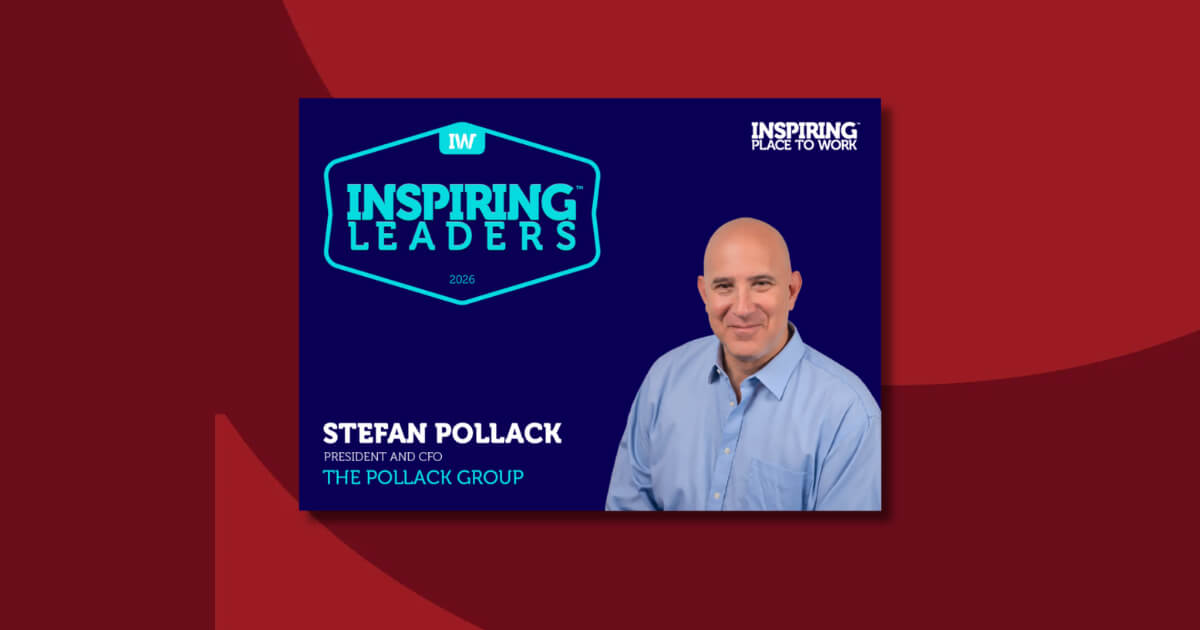
Stefan Pollack Recognized as a 2026 Inspiring Leader for Second Consecutive Year
Stefan Pollack earns his second consecutive Inspiring Leader recognition in 2026 for his commitment to people-first leadership, mentorship and workplace culture

How to Choose a PR and Creative Agency for Brand Storytelling
What to expect from an agency that combines PR and creative, the evidence to request, a scored checklist and a shortlist template for brand managers.
Looking Ahead to 2027: Our Predictions for PR and Marketing
What's ahead for PR and marketing in 2027? The Pollack Group shares predictions on AI search, brand reputation, discoverability and communications trends.

How to Choose a PR and Marketing Agency for Your Industry: A Buyer’s Guide
How to choose a PR agency for crisis, nonprofit, B2B tech, fintech, consumer, food and beverage or startup needs: criteria, proof and pitch questions.