
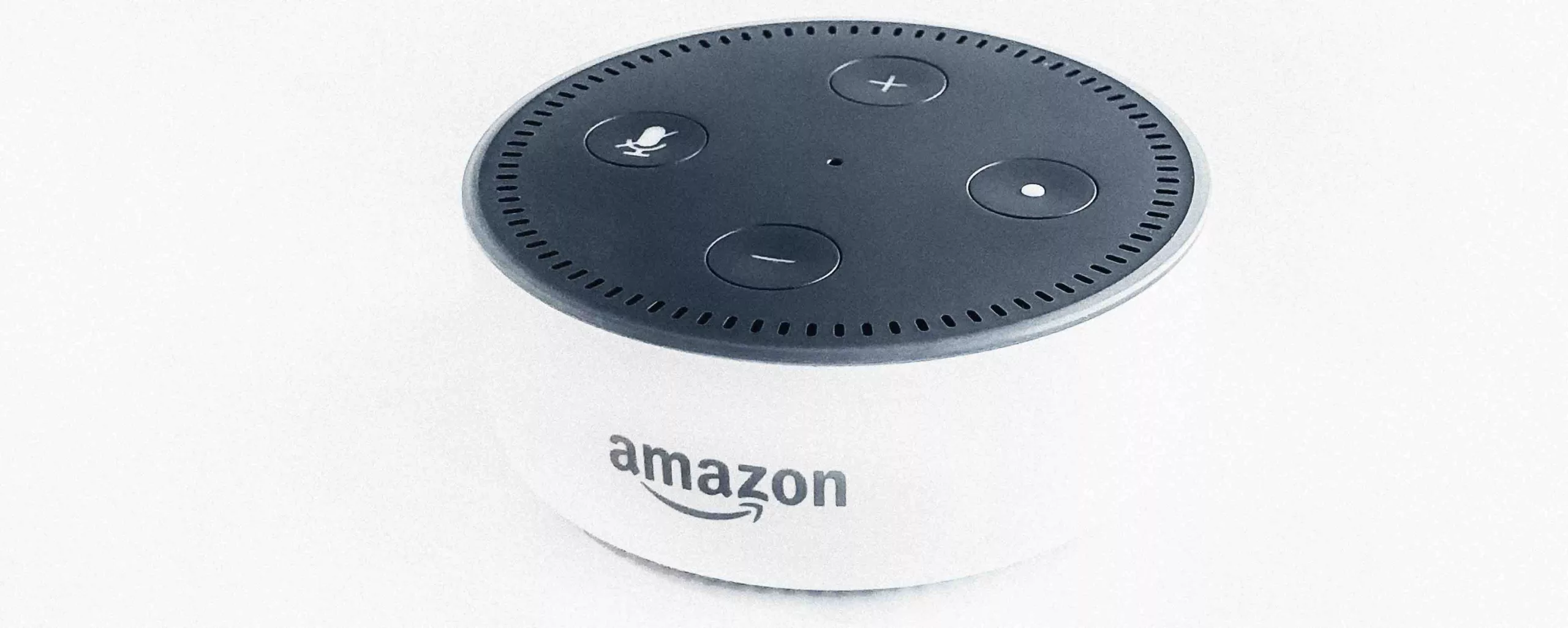
Prime Day And The Amazon Revolution
By Diana Brown, The Pollack Group Summer Intern
Amazon Prime Day has come and gone. The annual celebration took place July 16-17 for 36 hours, providing discounted deals on the company’s website for any subscribers of Amazon’s Prime program. Upwards of 1 million discounts were reportedly featured on the site, which explained the insanely high traffic and resulting technological difficulties the brand experience at the start of the event.
Amazon has risen to become one of the top retailers in the world in the past few years, hence why this sale is receiving international attention. The first Prime Day occurred in 2015, and the celebration was marked as Amazon’s biggest sale event in 2017 until Cyber Monday came around in November.
The creation of brand-specific sale days is nothing new, with many retailers making their own version of a viral sale throughout the years. However, what makes Amazon’s Prime Day so influential is how rapidly the brand has completely revolutionized the international online marketplace.
As of late, Amazon accounts for almost half of online sales. The online retailer has immense influence within the online shopping community, and with such unprecedented command over this retail space, Amazon has solidified its future as a longstanding player in the online retail market.

What has brought Amazon to this point, and what has become their key competitive advantage, is their seamless interface and ability to provide near-immediate customer satisfaction, with Amazon Prime offering 2-day shipping for a large number of products. In an age where brick and mortar stores are slowly fading away, with young shoppers favoring digital exchanges over in-person ones. All this, while Amazon is increasingly becoming impatient with delivery times. It has truly found a sweet spot. Retailers like Amazon who are able to promise rapid shipping rates, as well as an impressive stock of nearly every product under the sun, are the ultimate paradise for the millennial shopper.
The website’s ever-growing popularity is best supported by this year’s Prime Day statistics. Prime Day 2018 has come out on top as the company’s biggest shopping event ever, with over 100 million products sold on the website. The website had sales increase by 60 percent while the sale was in motion, a value higher than that of their combined sales from Cyber Monday and Black Friday. The main pitfalls of the sale were the momentary website outages experienced by some customers, but even those might’ve worked in the business’ favor by generating additional media coverage. As the saying goes: “all publicity is good publicity, as long as they spell your name right.”
Prime Day is an excellent example of the global footprint Amazon has created as a brand. It truly is the one-stop-shop of the web. Still, there are downsides. Having one retailer monopolize the online space to such a great degree leaves little room for smaller businesses to attract a following. Though Amazon is making history with their technological developments and innovative products, it ultimately begs the question whether or not a company of such immense size ultimately hinders itself by stifling all competitors.
The Latest

Stefan Pollack Recognized as a 2026 Inspiring Leader for Second Consecutive Year
Stefan Pollack earns his second consecutive Inspiring Leader recognition in 2026 for his commitment to people-first leadership, mentorship and workplace culture

How to Choose a PR and Creative Agency for Brand Storytelling
What to expect from an agency that combines PR and creative, the evidence to request, a scored checklist and a shortlist template for brand managers.
Looking Ahead to 2027: Our Predictions for PR and Marketing
What's ahead for PR and marketing in 2027? The Pollack Group shares predictions on AI search, brand reputation, discoverability and communications trends.

How to Choose a PR and Marketing Agency for Your Industry: A Buyer’s Guide
How to choose a PR agency for crisis, nonprofit, B2B tech, fintech, consumer, food and beverage or startup needs: criteria, proof and pitch questions.