
The Evolution of Press Releases in the Digital Era
Why we stopped writing like robots and started storytelling instead.
There was a time when press releases felt like they came from a corporate robot. Dry, jargon-filled, and aimed only at newsrooms. Their purpose was simple. Give journalists the facts, hope for coverage, and maybe you’d land a mention in the business section.
But we’re not in that world anymore.
Press releases today aren’t just announcements. Today, they’re digital stories. They’re search-engine bait. They’re social content. They’re brand voices in action.
From Media Alerts to Multi-Channel Stories
The press release used to live and die in the inbox of a journalist. Now? It shows up on Google, lives on your brand’s website, gets chopped into an Instagram Reel, turned into a LinkedIn post, and sometimes becomes its own news.
Example:
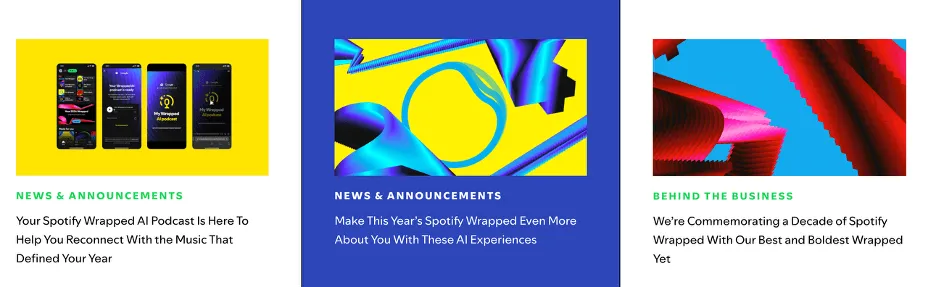
When Spotify announces its annual Spotify Wrapped, the press release is just one part of the rollout. There’s a sleek landing page, social assets for every platform, celebrity partnerships, and even Easter eggs within the app. The release is no longer the story but rather a part of the experience.
SEO Changed the Game
One of the biggest evolutions in press releases is the introduction of search engine optimization. Keywords and phrases are now baked right into the release, making sure your news is findable by more than just editors.
Example:
Let’s say a startup launches a new AI-powered calendar tool. Instead of titling their release, “Company X Unveils Productivity Innovation,” they go with something like:
“New AI Calendar App Helps Remote Teams Automate Scheduling & Save Hours Each Week.”That headline is not just clear but also clickable and searchable.
Here are some other good example headlines:
- “A Smarter Way for Remote Teams to Handle Scheduling”
- Simple, clear, and speaks directly to what people care about.
- “New Calendar Tool That Actually Saves You Time”
- Conversational and a little self-aware, like something you’d hear recommended by a coworker.
- “Say Goodbye to Back-and-Forth Emails: This App Handles Scheduling for You”
- Human, problem-focused, and taps into a common frustration people immediately recognize.
The Power of Multimedia
We’re living in a scroll-first, swipe-second world. Releases that include videos, gifs, audio clips, and eye-catching visuals get way more traction than plain text.
Example:
When Lego launched its Braille Bricks for children with vision impairment, the press release included a short, emotional videoshowing the product in use. That clip went viral, drawing attention to the initiative far beyond traditional media.
Social Media Made Releases Public
Before, press releases were filtered through journalists. Today, brands often lead with their news on Twitter, LinkedIn, Instagram, or even TikTok, sometimes before the official release drops.
Example:
When Duolingo introduced their TikTok-famous owl mascot Duo into a brand partnership with Peacock’s The Office, they teased it on TikTok first, which generated buzz before the official release went out. The “official” press release ended up being more of a resource than a reveal.
The Brand Newsroom Is the New Front Page
Brands are building out beautiful, easy-to-navigate online newsroom hubs. They’re part blog, part press center, and part digital library, with downloadable images, executive bios, and real-time updates.
Example:
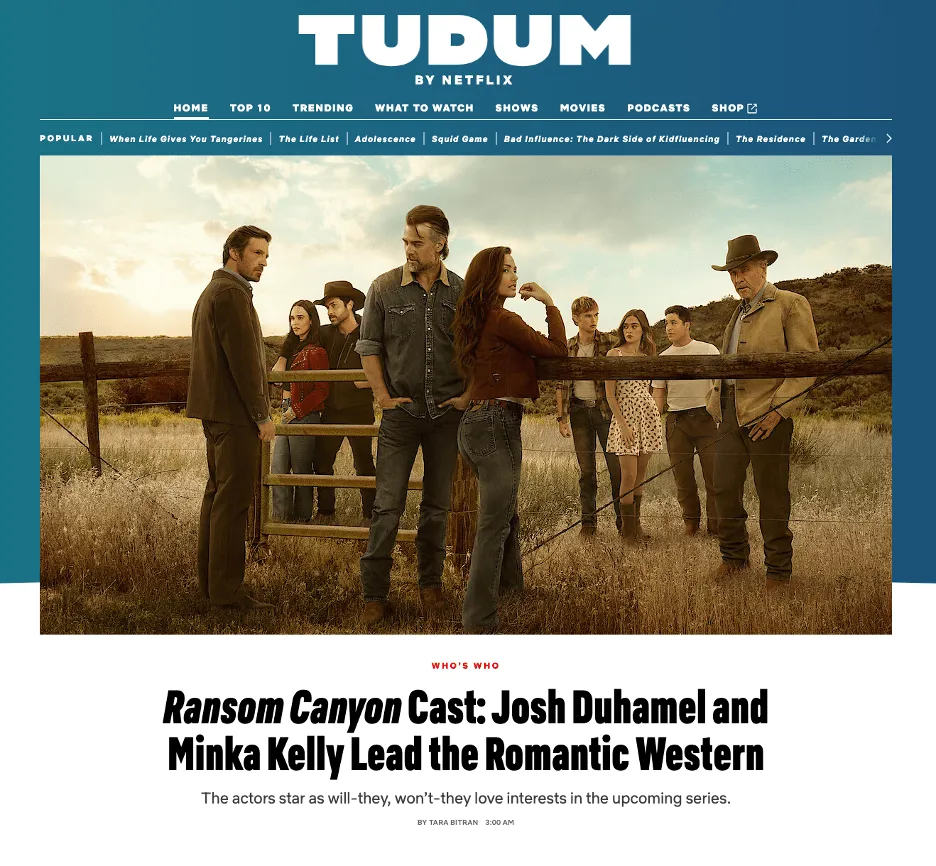
Netflix has a fully branded media center, Netflix Tudum, where fans, reporters, and creators can browse upcoming releases, behind-the-scenes stories, and news straight from the source.
From Buzzwords to Real Words
Modern press releases ditch the business jargon in favor of language that sounds more human. Think “why this matters” over “corporate synergy.”
Example:
Instead of writing:
“We’re thrilled to announce a dynamic partnership designed to maximize innovation…”
Try something more like:
“This partnership brings two great teams together to build something even more powerful: tools that help everyday users save time, simplify their workflows, and feel more in control.”
Because it sounds real. Most people tune out corporate jargon like “maximize innovation”. It feels distant and impersonal. What people actually care about is how this affects them: Will it save them time? Make things easier? Help them feel more in control?
When you talk like a person, not a press release, your message lands better. It feels genuine, it’s easier to trust, and people are more likely to pay attention. It’s the difference between announcing something at people and inviting them into it.
What’s Next for Press Releases?
With AI-generated content, voice search, and platforms like Threads and Substack becoming part of how people consume news, the press release is still evolving. But here’s the constant: people want stories. Whether it’s about a product, a partnership, a purpose, or a person, if your press release tells a clear, interesting story, it will find its way to the right audience.
The Latest
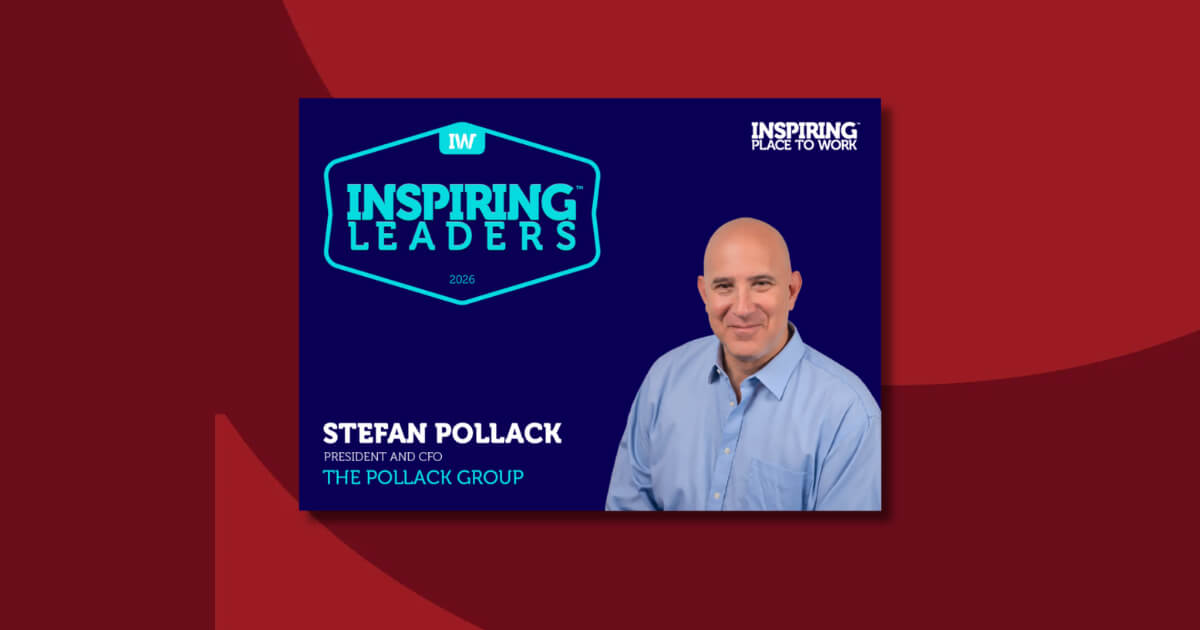
Stefan Pollack Recognized as a 2026 Inspiring Leader for Second Consecutive Year
Stefan Pollack earns his second consecutive Inspiring Leader recognition in 2026 for his commitment to people-first leadership, mentorship and workplace culture

How to Choose a PR and Creative Agency for Brand Storytelling
What to expect from an agency that combines PR and creative, the evidence to request, a scored checklist and a shortlist template for brand managers.
Looking Ahead to 2027: Our Predictions for PR and Marketing
What's ahead for PR and marketing in 2027? The Pollack Group shares predictions on AI search, brand reputation, discoverability and communications trends.

How to Choose a PR and Marketing Agency for Your Industry: A Buyer’s Guide
How to choose a PR agency for crisis, nonprofit, B2B tech, fintech, consumer, food and beverage or startup needs: criteria, proof and pitch questions.