

What’s Next For Influencer Marketing?
Influencer marketing has been all the buzz for the better part of the last decade, with businesses of all levels tapping into the phenomena. From products to apps to restaurant and travel package reviews, influencers have become a staple in driving brand awareness and leveraging new audiences to try products or services otherwise previously unknown or unavailable.
The attraction of influencer marketing started with the notion of hiring “real people” to give authentic reviews and sincerely promote brands. Influencers with a decent social media following had a profound power in speaking to consumers as a third party and, ultimately, a trusted source. If someone was actively choosing to follow a particular influencer account, their perception of the influencer’s content, work, and values, was generally perceived favorably and, in turn, made for an ample opportunity to drive company sales.
However, while influencer marketing garnered substantial popularity, it appears that it is fading, with reports recently indicating a steady decline in conversion rates. The initial attraction of influencer marketing rested on the premise that followers trusted the reviews and experiences of the influencer. Still, in a strange turn of events, consumers have lost trust in the marketing ploy and have become weary of purchasing products promoted by high-profile accounts.
READ MORE: How GenZ Is Using TikTok For Searches Rather Than Google
In one instance, influencer Terrie McEvoy teamed up with Tower Jewellers for a contest, giving away two elegant bracelets. However, followers quickly investigated and uncovered that McEvoy knew the two winners and rigged the contest so her friends could win. In another case, Kim Kardashian faced immense backlash when promoting the morning sickness drug Duchesnay. In her infamous Instagram post, Kardashian listed only the positive attributes of taking the medication to curb morning sickness but omitted all the side effects. This dangerous blunder implicated both herself and the brand. It turns out the FDA had a few run-ins with the pharmaceutical company for “questionable branding” in the past, a reason for many consumers to avoid the product and doubt a celebrity’s credibility that would promote it.
Another issue that can be attributed to influencers’ waning power, is their overall lack of awareness of the brands and products they are promoting. A previous study found that 61 percent of consumers polled believed influencers should be required to diligently review and educate themselves on the brands and products they are promoting.
In addition to lack of education, authenticity is another factor in why consumers are beginning to question whether influencer marketing is as sincere as it promotes itself. It’s no secret influencers are paid for their reviews, posts, and overall brand promotion. This leads many to believe whether the selected influencers truly use and stand by the products or if they are fulfilling the agreement. However, the same study found only six percent of consumers believe influencers truly use the products they promote. Ethically, many believe it’s wrong for influencers to advertise products they don’t use and feel influencers should be more transparent about their personal history with the product as well.
Although consumers may be losing trust in influencer marketing, it’s important to note this may be less about the influencers themselves and more about the times. With many instances of misinformation and false advertising, any information online seems to be questioned by most consumers – with proper reason. So, while influencer marketing may be on the decline, brands should not necessarily walk away from the marketing tactic altogether, but instead ensure they are choosing the best personalities that will represent their brands – ones that want more than just a paycheck.
The Latest
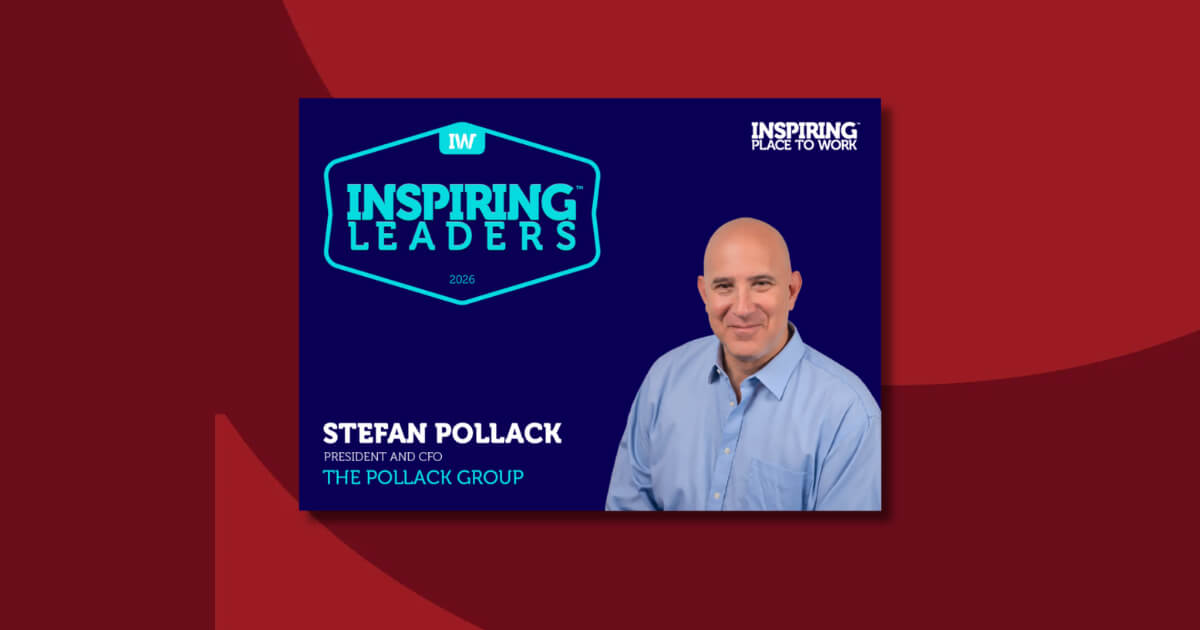
Stefan Pollack Recognized as a 2026 Inspiring Leader for Second Consecutive Year
Stefan Pollack earns his second consecutive Inspiring Leader recognition in 2026 for his commitment to people-first leadership, mentorship and workplace culture

How to Choose a PR and Creative Agency for Brand Storytelling
What to expect from an agency that combines PR and creative, the evidence to request, a scored checklist and a shortlist template for brand managers.
Looking Ahead to 2027: Our Predictions for PR and Marketing
What's ahead for PR and marketing in 2027? The Pollack Group shares predictions on AI search, brand reputation, discoverability and communications trends.

How to Choose a PR and Marketing Agency for Your Industry: A Buyer’s Guide
How to choose a PR agency for crisis, nonprofit, B2B tech, fintech, consumer, food and beverage or startup needs: criteria, proof and pitch questions.