August 30, 2022
Your Pitch Sucks: How to Get Noticed by Reputable Journalists
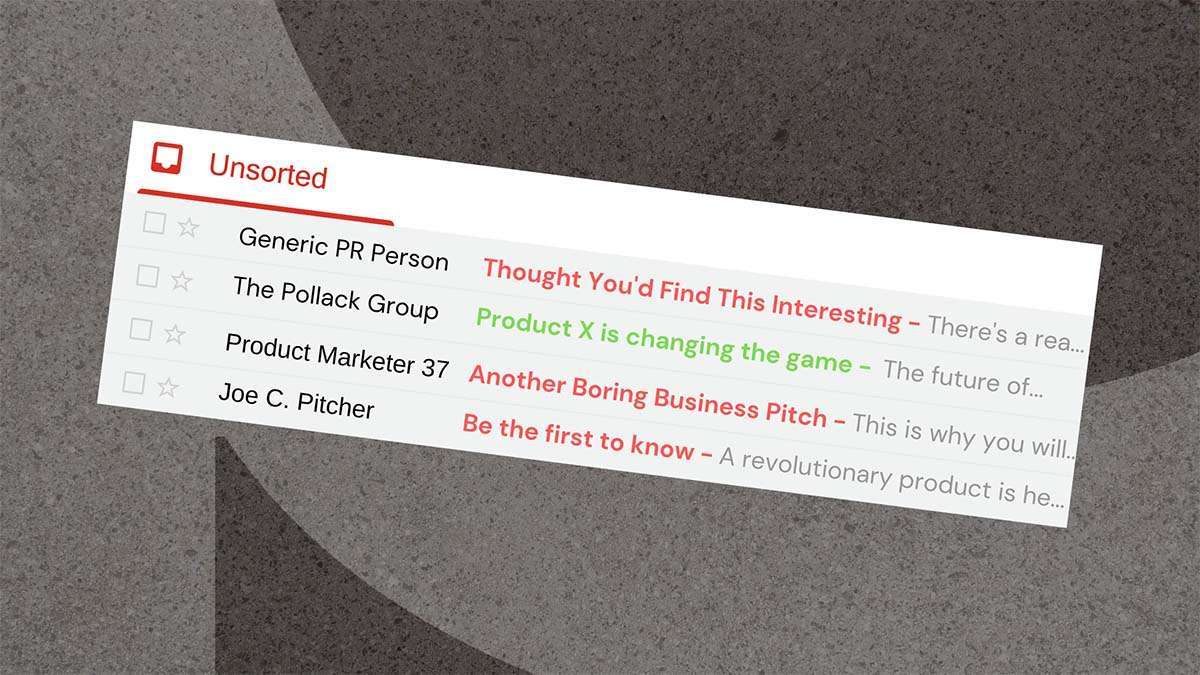
It has happened to us all.
We have a newsworthy story, an enthusiastic client, and a robust media list. Yet despite multiple attempts, our inboxes remain stagnant, with nothing but “Don’t Miss Out” retail e-blasts and a reminder to schedule a very delayed annual dental cleaning.
When it comes to the art of media pitching, the heavy truth is that a good story is rarely enough. Numerous factors should be considered when corresponding with a top-tier reporter, not just to land a feature or high-profile interview, but to create a lasting business relationship as well.
Short and Sweet Wins the Race.
Reporters are pitched hundreds of times a week, by multiple agencies and PR professionals, not including the countless “just checking in” follow-ups, relentless text messages, and for the daring PR specialists, the cold phone calls. Therefore, pitches need to be short, informative, and unique, separating the supreme from the mounds of generic, “thought this might be of interest to you” emails.
The secret is to find the balance between providing enough information to pique their interest but not providing all the details, so they’ll need to respond. Additionally, it’s best to steer away from broad subject lines as well. A good rule of thumb – if you wouldn’t open an email with the subject line, neither will they. Thought-provoking or wordplay subject lines are commonly the most popular and have the highest open rate versus informative or professional ones, so get creative!
Subject Matter – Matters!
It’s evident for PR professionals to ensure they are pitching the appropriate reporter that covers their specific beat, but this effort needs to extend beyond labels in Cision or Muckrack. When making media lists, PR specialists should also vet the reporter’s social media channels, specifically Twitter, to understand the type of content that drives their channels, and to get a sense of their recent work. While Cision may indicate a particular writer covers “business”, the subject matter is vague, and more research needs to be conducted to ensure they’re the best contact for the story.
READ MORE: The Importance of Media Training
To take it one step further, when pitching, it’s often a good practice to include their recent work in the pitch itself. This proves to the receiver that you understand and have read their work and that there is a clear correlation between their expertise and the story you are pitching.
Follow and Engage with Reporters on Social Media.
Noting a reporter’s work in your pitch is a great start but engaging with them on Twitter or LinkedIn takes your commitment to building a professional relationship with them even further. Retweeting a recent article with genuine commentary or reacting to their post is a guaranteed way to get noticed. It takes minimal effort yet goes the extra mile in showing support and genuine interest in their work. This is also a great way to network and further build your own professional following. Most reporters will respond, follow back, and likely pursue your pitch for a story. At the very least, they’ll acknowledge your efforts in return and will likely remember your name the next time they receive an email or phone call.
Follow Up, Follow Up, Follow Up!
Without being overly aggressive, following up after a pitch is sent is imperative, waiting no more than a few business days to check-in. If a pitch is breaking news or urgent, a phone call or text message within hours is appropriate – as long as the timing calls for it. Otherwise, sending a friendly email is not only encouraged, but is instrumental in showing your sincerity to the reporter covering your story. It also ensures your pitch doesn’t get lost among the hundreds of other emails. Reporters are also navigating through long commutes, unnecessary meetings, and tons of spam. A friendly reminder can be the difference between your client getting coverage or not.
Show Gratitude.
It goes without saying that PR professionals should express appreciation when corresponding with reporters, but you’d be surprised how often this tiny, yet significant detail, gets overlooked. While you are helping reporters excel at their job in covering an important story, expressing gratitude goes a long way. Emailing or texting them a sincere message of recognition will leave a lasting impression and will highly increase your chances of obtaining future coverage from the publication. A friendly LinkedIn post or Tweet acknowledging the story and hard work of the reporter is the cherry on the proverbial sundae. In short, treat reporters the way you hope to be treated.
READ MORE: How To Include Spanish-Language Media Outlets In Your Media Program
Consider the Timing.
If you’ve followed the rules of the trade and believe you have an incredible story to pitch only to hear crickets, consider the timing and current news space. Did breaking news in the field hit the same morning you delivered your pitch? Or perhaps there is a worldwide issue controlling the attention of most top-tier media, such as an election, war, or a pandemic. When all else fails, keep going. For though the art of pitching can be an uphill battle, in most cases, the hard work will eventually pay off.
The Latest

In The Red
Elevated: Reflections on the Worldcom Public Relations Group’s North American Regional Meeting in Park City, Utah
Stefan Pollack reflects on the Worldcom Public Relations Group's North American Region meeting in Park City, Utah.

In The Red
Consumers Don’t Want Ads. They Want a Reason to Show Up.
Marketers chase attention. The challenge is figuring out how to earn it when consumers can scroll past a brand in a fraction of a second.

In The Red
Sited Visibility Index: Who’s Brewing Up the Best Fall?
The Pumpkin Spice Latte season is here, and we examined the AI search visibility of some of the nation's leading coffee brands.

Solutions
Some communications challenges call for a more focused approach. The Pollack Group’s proprietary solutions combine decades of communications experience with specialized methodologies, technology and audience intelligence to help organizations solve specific business and reputation challenges. From strengthening messaging and preparing for a crisis to understanding audiences, elevating leaders and measuring how brands appear in AI-driven search, our solutions give organizations practical tools and insights they can put to work.
Leadership Now
Creating leadership platforms that are essential to building audience trust and confidence.