

Bridging the Gap: Teaching Communication in the AI Era
This article was originally published in O’Dwyer’s.
As the digital landscape continues to evolve rapidly, universities find themselves at a crossroads, tasked with reimagining their academic offerings to meet the demands of tomorrow. One such imperative is establishing a Communications Engineering degree program tailored to the challenges and opportunities presented by AI.
The evolution of communication in the AI era
Communication today transcends message delivery; it requires a nuanced understanding of context and a marriage of technological innovation with human empathy. In the era of AI, where algorithms increasingly shape our interactions, the fundamental purpose of communication remains unchanged while the methods of engagement undergo a profound transformation. Reports such as the USC Annenberg’s “2024 Relevance Report” shed light on AI’s rising influence, urging us to embrace its potential and wield it judiciously, challenging conventional ethical frameworks and redefining our roles in the process. In this dynamic landscape, a Communications Engineering degree emerges as a linchpin, equipping individuals to navigate the terrain and shape its contours with purpose and integrity.
Addressing the global skills gap
In a world where technology burgeons and ethical considerations loom large, there is a pressing need for individuals who possess both technical understanding and ethical discernment. Organizations seek professionals who can harness AI while maintaining cultural sensitivity and ethical responsibility. A Communications Engineering degree is the conduit between human values and technological advancements, facilitating a future characterized by automation, compassion and ethical guidance.
The curriculum of tomorrow
A comprehensive Communications Engineering curriculum must cultivate a new generation of communicators equipped with a diverse skill set:
- Technical proficiency: mastering AI’s intricacies to enhance human capabilities and facilitate seamless interaction.
- Analytical acumen: viewing data not merely as numbers but as narratives that must be deciphered and communicated effectively.
- Soft skills: confronting ethical dilemmas and navigating complex ethical landscapes with clarity and conviction.
- Communications skills: crafting messages that resonate across diverse cultural contexts, fostering inclusivity and understanding.
- Strategic thinking: leveraging AI as a strategic ally in achieving communication objectives rather than viewing it as a mere tool.
Universities as beacons of change
Institutions of higher learning play a pivotal role in shaping the future by preparing students to navigate the complex intersection of technology and humanity. By offering a Communications Engineering degree, universities become beacons of that change, illuminating the path for future leaders to assess AI’s role in the industry critically. This endeavor transcends instruction; it inspires a vision of a future where communication is an art form uniting technology and humanity.
A global imperative for education
Education has always been the catalyst for transformative change. Institutions must proactively anticipate and navigate waves of change, equipping individuals to navigate them adeptly. A Communications Engineering degree represents more than a program; it embodies a global commitment to educating for impact, understanding and advancing our shared human experience.
Initiating a new narrative
Establishing a Communications Engineering degree at its core underscores a belief in humanity’s adaptability and resilience. By intertwining AI and communication, we prepare our students and future professionals to lead with empathy, strategize with wisdom and communicate sincerely. This marks the inception of a new narrative that envisions the future with optimism and human-centered insight.
The Latest
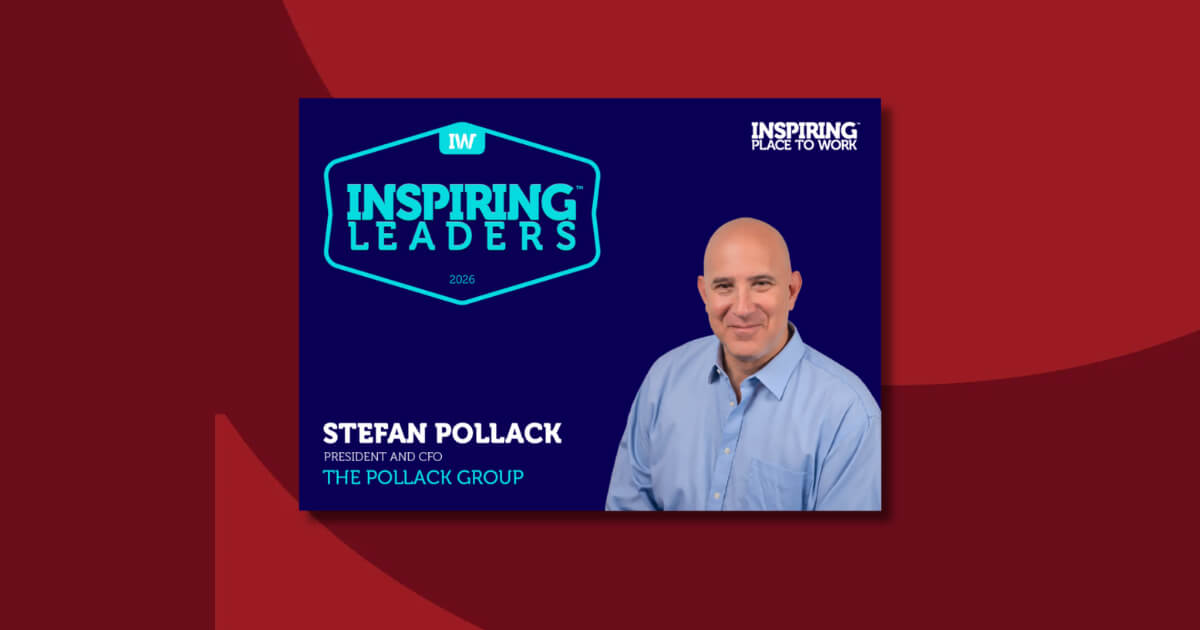
Stefan Pollack Recognized as a 2026 Inspiring Leader for Second Consecutive Year
Stefan Pollack earns his second consecutive Inspiring Leader recognition in 2026 for his commitment to people-first leadership, mentorship and workplace culture

How to Choose a PR and Creative Agency for Brand Storytelling
What to expect from an agency that combines PR and creative, the evidence to request, a scored checklist and a shortlist template for brand managers.
Looking Ahead to 2027: Our Predictions for PR and Marketing
What's ahead for PR and marketing in 2027? The Pollack Group shares predictions on AI search, brand reputation, discoverability and communications trends.

How to Choose a PR and Marketing Agency for Your Industry: A Buyer’s Guide
How to choose a PR agency for crisis, nonprofit, B2B tech, fintech, consumer, food and beverage or startup needs: criteria, proof and pitch questions.