

Busting The Lead Generation Myth: Look Internally, Not Externally
This article was originally posted on Forbes. Agency president Stefan Pollack is a member of the Forbes Agency Council – an invitation-only organization for owners and executives of public relations, media strategy, creative, and advertising agencies – that shares thought leadership about a wide range of relevant, important industry topics.
If you need some help finding, developing and converting leads, let our agency professionals help you. Call The Lead Detective Agency.
When Alec Baldwin’s character, Blake, stood in front of the failing sales department of Premiere Properties in David Mamet’s 1992 Glengarry Glen Ross and told them that all but the top two salespeople would be fired in a week, Jack Lemmon’s character, Shelley, said, “The leads are weak.” While I cannot condone how Blake reacts to that statement (or really anything at all about that infamous and abusive monologue), one message I think Blake touches on is vital to extrapolate: “The leads are weak? You’re weak!” And while this was a line designed to chastise poor Shelley and shame him into performing, the message that lead generation is an internal problem, not an external one, is worth our attention.
It is undoubtedly essential to have a database of opt-in leads (as opposed to unwilling ones), and it is equally important to work that database of leads to convert them into customers or clients. However, the best leads in the world will do you no good if you haven’t first done work on yourself.
Leads have the sum total of human knowledge at their fingertips. No matter what your product or service, they have countless competitors to compare you with. So your ability to reach them and deliver your message or sales pitch is completely inconsequential when compared to who you are and how you present yourself. With so many options available to them, your leads are looking to see if you are relevant to them and if you are the right fit.
Before you even begin outreach, you need to understand who you are, who your ideal audience is and what you can authentically communicate to them that will compel them to be interested in what you have to say. Lead gen campaigns are much more about cultivating relationships and presenting yourself in the best way than they are about just finding and converting leads. Therefore, focusing on the quality of the leads is only part of the story. The real journey is using data to understand your leads and how (or if) they can relate to your brand.
To reorient ourselves around this new era of communication, we should throw out the “Always be closing” mantra presented in Glengarry Glen Ross and replace it with “Always be valuable.”
Understand What Your Lead Values
“Value” means specifically what a lead wants, but it also may indicate what a lead believes. As a brand, it is important to figure both into your calculus. You must understand what your lead values most of all from the products or services you offer — or even if they value them.
Value transcends features and benefits. In my experience, leads don’t care that a widget does something better than another widget, or that a service offering will help them with a problem. They care about whether or not the product or service will align with their life and improve it.
Before going to market with your messaging or advertising, investigate what your audience wants. Take data, and formulate information about what is truly valuable to them. This can be done with surveys, by researching conversations on social media, through focus groups or by simply workshopping thought experiments. Putting effort into understanding what your leads want is the first step toward understanding how you can meaningfully reach them and, perhaps more importantly, making sure that you are reaching the right people for your brand.
Align Your Values
The next step to being valuable is to understand how you align with the lead’s values and how your values align with them. If your brand values a particular way of doing business, for example, and that aligns with how your audience believes business should be done, then you are a match! Additionally, if your product or service improves your lead’s life in the way that they think is most important, then that’s a match as well. If there is a disconnect, you’ll need to decide how you should change your brand’s value to align better, or if you should find a more relevant audience.
Alignment doesn’t work if it is superficial. Simply putting on a fresh coat of paint to appear as if you are aligned can create significant problems down the road. So this stage of the process is to look and see if your brand aligns with your audience or if you are willing to change your brand so that it does.
Present Your Values First
It is all well and good if your values are aligned with your lead’s values, but the next critical phase of being valuable is about presenting yourself accurately to your leads. Many times brands will instinctively present their features and benefits first, and force leads to seek out why that is valuable to them. However, since you’ve done all this work in identifying what your leads value and aligning them with your values, you should present your values first. Features and benefits are always smaller points that prove you are valuable but should not be the primary pitch.
Think about what would happen if you got into a minor accident on the way home. Would you go home and tell your loved ones, “I was driving from the store to pick up ice cream, and when I passed the intersection, someone else was driving out of the gas station, and they collided into me,” or would you say, “I got into an accident”? Remember to present the most important value first.
The fact is, leads are only as strong as you make them. It requires serious deliberation internally to make sure that you have the right leads, that you are aligned with them and that you are presenting yourself in the right way. Doing that internal work first will save a lot of the external work later — even if the leads might be weak.
The Latest
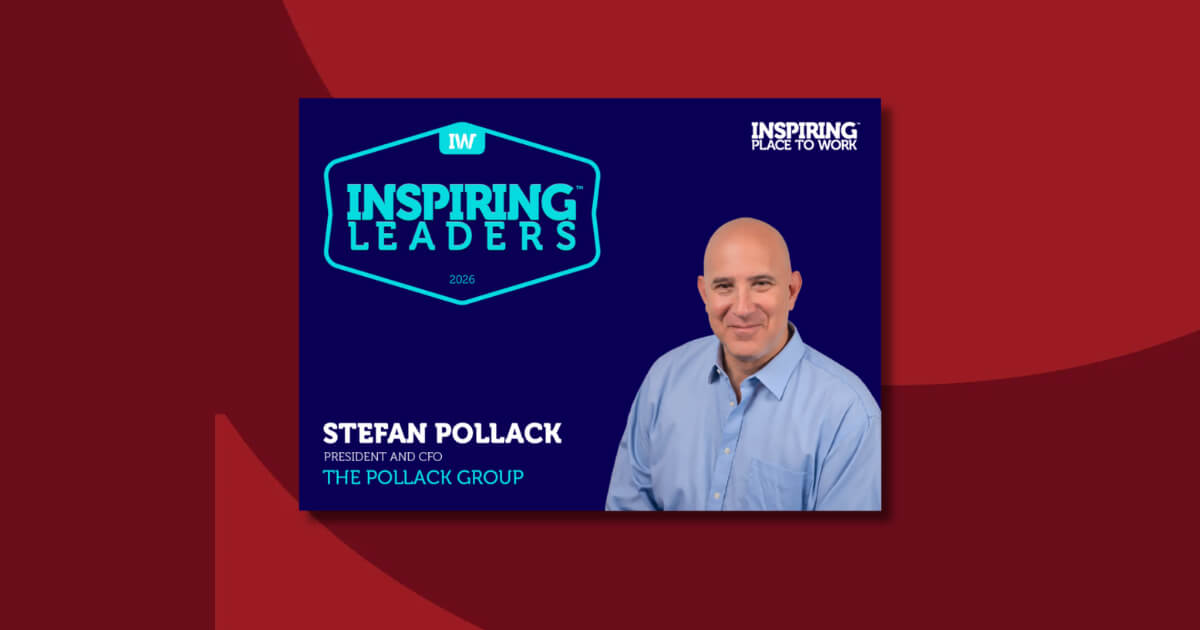
Stefan Pollack Recognized as a 2026 Inspiring Leader for Second Consecutive Year
Stefan Pollack earns his second consecutive Inspiring Leader recognition in 2026 for his commitment to people-first leadership, mentorship and workplace culture

How to Choose a PR and Creative Agency for Brand Storytelling
What to expect from an agency that combines PR and creative, the evidence to request, a scored checklist and a shortlist template for brand managers.

Looking Ahead to 2027: Our Predictions for PR and Marketing
What's ahead for PR and marketing in 2027? The Pollack Group shares predictions on AI search, brand reputation, discoverability and communications trends.

How to Choose a PR and Marketing Agency for Your Industry: A Buyer’s Guide
How to choose a PR agency for crisis, nonprofit, B2B tech, fintech, consumer, food and beverage or startup needs: criteria, proof and pitch questions.