
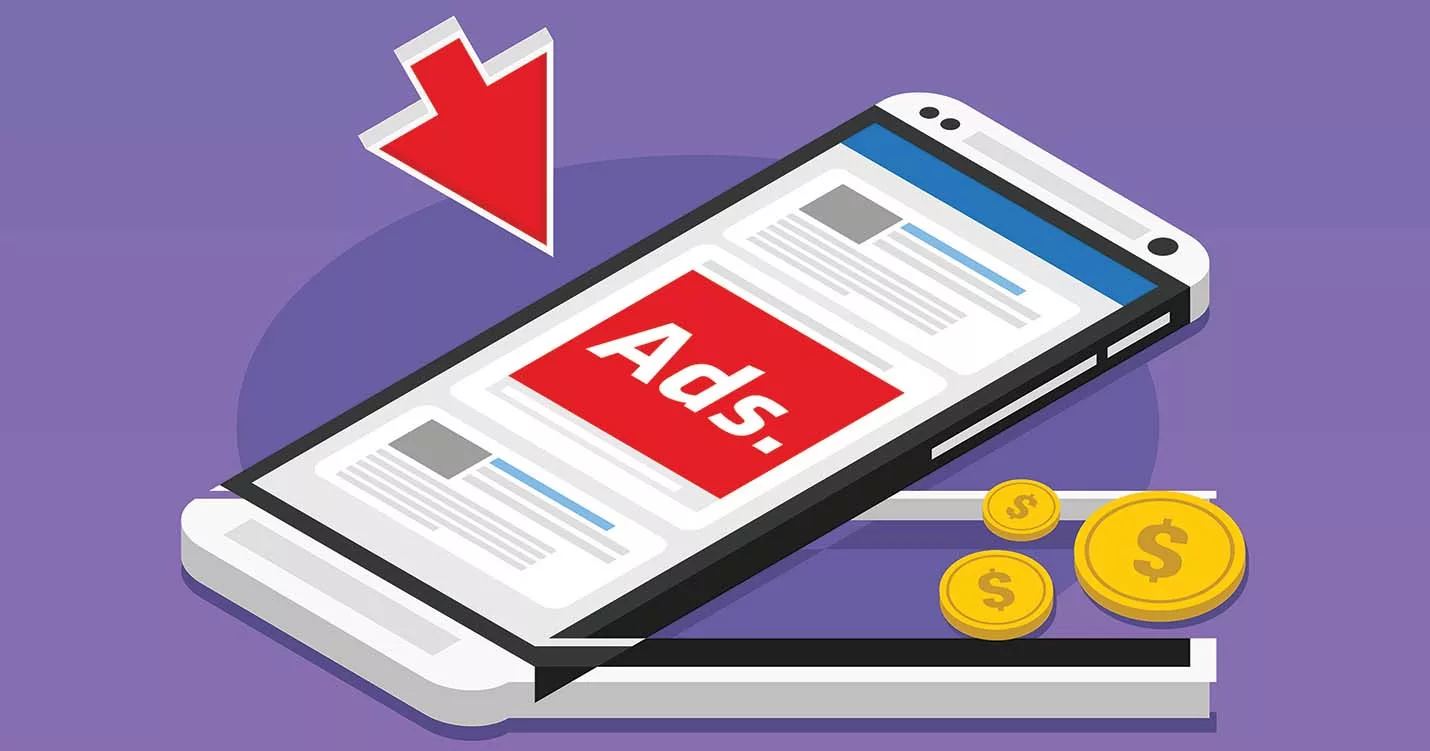
Digital Ads Are Overtaking Traditional Ads, But What Does This Mean?
We’ve heard that digital marketing is the way of the future. Apparently, that impending “future” has finally arrived, for digital ad spend is now set to officially overtake traditional ad spend in 2019. But, what exactly does this tipping of the advertising scale mean for businesses and marketers?
The latest forecast from eMarketer places digital ad spend ahead of traditional ad spend for this year with predictions that traditional ad spending will fall 19 percent, while digital spend will increase by around the same rate. The change in value will mean that digital ad spend will account for just over 54 percent of total advertising spending. Channels for this digital advertising may fluctuate in the new year, but Google and Facebook still lead the charge with Amazon on the rise.
The impact of this report means that older methods of advertising are now being incorporated with more advanced, technology-focused methods, many of which are free and easy for companies to access
With all this talk of channels and websites, sometimes it can be hard to maintain a grasp on what digital ads even are, and why they matter so much. In a nutshell, digital ads are persuasive images and copy which brands pay to feature on certain websites, apps, or other digital locales. The placements where brands choose to feature their advertisements may vary depending on the given brand’s target audience or what product or service they are advertising.
Additional statistics show that the majority of consumers today, 80 percent to be exact, research online before executing a purchase on a specific product. This means that there is a vast span of online real estate being consumed by shoppers that could be hosting your company’s digital marketing efforts. It’s hard to measure or even see those same kinds of results with traditional advertising methods.
An example of the sheer scope of this online takeover is that of online shopping capabilities, which have increased exponentially since the original onset of the trend. Most recently, many social media sites, like Instagram, are integrating shopping features into their interface. Not only are these features going to directly cater to the millions of followers who interact with brands they purchase while on Instagram, also allowing Instagram to better craft its user experience.
Beyond providing accurate measurements of audience ad intake and bettering user experience on both sides of the equation, digital marketing also allows companies to provide targeted messages towards specific groups of customers. This gives companies of all sizes access to the particular demographics they really want to reach.
Digital advertising is no longer an optional path for businesses to take. Marketers need to learn how to optimize their techniques for the high-tech channels of the future. While traditional advertising has a long-standing history, companies not engaged in digital advertising’s many forms could fall behind their competitors, and very quickly. The most important step forward is to note the current advertising revolution and go in the direction “of the train.”
For more agency insights, visit our WellRed archives
The Latest
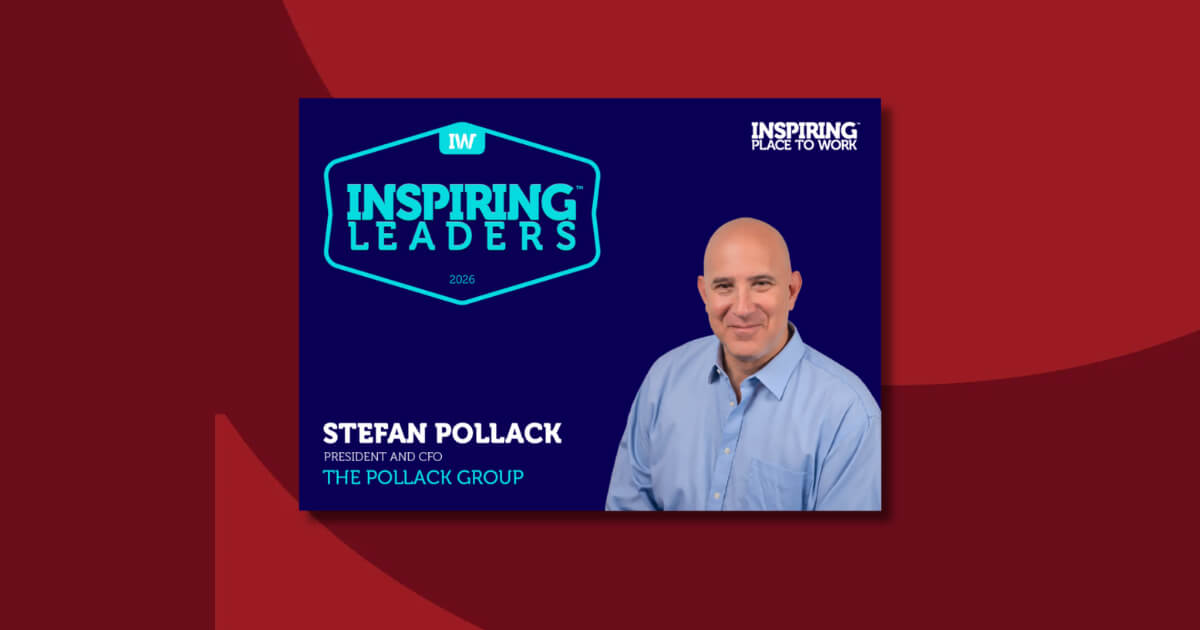
Stefan Pollack Recognized as a 2026 Inspiring Leader for Second Consecutive Year
Stefan Pollack earns his second consecutive Inspiring Leader recognition in 2026 for his commitment to people-first leadership, mentorship and workplace culture

How to Choose a PR and Creative Agency for Brand Storytelling
What to expect from an agency that combines PR and creative, the evidence to request, a scored checklist and a shortlist template for brand managers.
Looking Ahead to 2027: Our Predictions for PR and Marketing
What's ahead for PR and marketing in 2027? The Pollack Group shares predictions on AI search, brand reputation, discoverability and communications trends.

How to Choose a PR and Marketing Agency for Your Industry: A Buyer’s Guide
How to choose a PR agency for crisis, nonprofit, B2B tech, fintech, consumer, food and beverage or startup needs: criteria, proof and pitch questions.