April 16, 2020
Forbes: 12 Key Considerations For Gamifying A Marketing Campaign
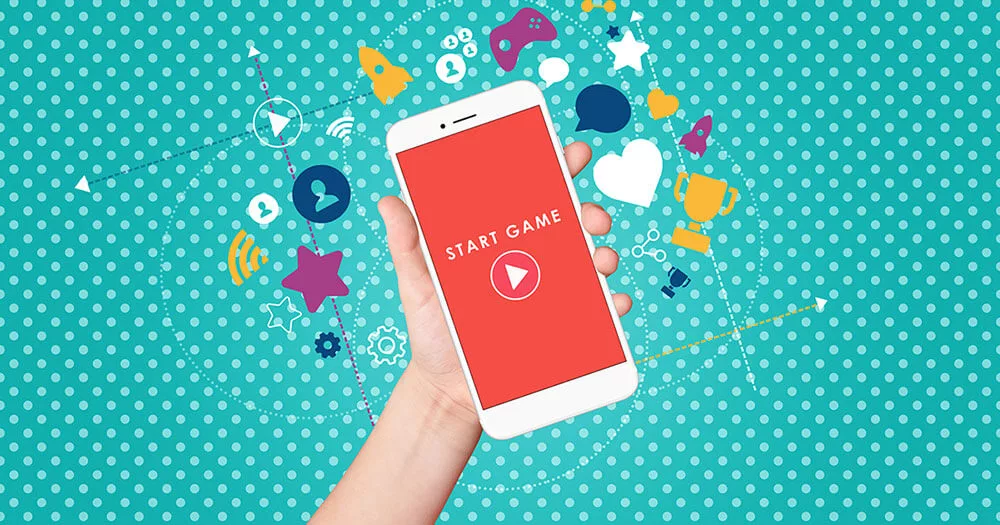
Combining gaming and marketing has proven to be an effective tactic, but is not without its pitfalls. The agency was featured in the Forbes Agency Council’s latest piece, ‘Gamifying A Marketing Campaign: 12 Key Considerations.’ View the original article on Forbes. The No. 9 contribution is from agency president Stefan Pollack.
9. Tap Into Behavior With Incentives
Gamification need not be an overengineered platform to engage consumers. Simply tapping into behavior with incentives and the development of a positive feedback loop can go a long way. The simplest form is rewarding consumers for interacting with a brand in a way that appeals to people who like achievements or who like to collect things. – Stefan Pollack, The Pollack Group
—
1. Understand Your Target Audience
While a gamification strategy is pivotal to a marketing campaign, it’s crucial to consider your target audience. First, you must ask yourself what kinds of games they’re interested in. What things do they like? By understanding your target audience and their interests, you can better utilize gamification and create games that users are more receptive to. – Charles Mazzini, Hyperlinks Media, LLC
2. Create Competition To Drive Interaction
Gamification can be a powerful tool for building brand loyalty through interaction. Offering badges, trophies and meaningful prizes will create a sense of competition and keep people engaged and coming back. Oh, and be sure the game is fun! – Robert Finlayson
3. Start With A ‘KISS’
To start, follow the “keep it stupid simple” (KISS) principle and do not overcomplicate the experience from the beginning. Much like A/B testing, start with a simple action and fun reward as a reaction. Spend time uncovering what works, and what drives engagement and community, before adding complexity. Just like apps and video games release updates, so can a gamification strategy and experience evolve over time. – Katie Schibler Conn, KSA Marketing + Partnerships
4. Make It Easy And Fun
Make it easy, not frustrating. If you try to incorporate a loyalty program, like Starbucks with fun stars and free goods, take a page from the coffee magnate’s book and be sure the program is effortless for the user. You’re trying to reward your loyal customers, not give them something else they have to “deal” with. Gamification elements should be a gift, not a curse. – Bernard May, National Positions
5. Use Quizzes To Engage
Who doesn’t love a good quiz? We work with healthcare clients, and we’ve found interactive quizzes are a great way to engage patients. One of our clients uses a symptom quiz to capture interest in its treatment, qualify leads and build its audience. Not only is it educational for both the company and the patient, but it provides valuable information for both. – Nicole Osmer, Health+Commerce
6. Tap Into Long-Forgotten Emotions
The practice of gamification is nothing new, but how it resonates with today’s audience is powerful. Kids who grew up playing games are now the adult decision-makers and key demographic — a gamified experience not only grabs their attention, but, when paired with the right message, is the perfect avenue to tie a business outcome to a positive nostalgic experience the customer will remember fondly. – Scott Kellner, GPJ Experience Marketing
7. Consider The Value Exchange
Marketers have been using gamification for a while now, and consumers are “wise” to the most common efforts. Before you go down this path, consider the value exchange with the customer. If it’s not there, making it a game isn’t going to make the value materialize. In fact, it could increase obstacles and lower participation. – Jim Tobin, Carusele and Ignite Social Media
8. Consider Regional Differences
Gamification is an effective way to entice the audience to participate. We have found regional differences come into play (pun intended) for both willingness of completing certain tasks, types of rewards, etc. If you are rolling out a gamification program globally, we recommend tailoring the rewards and offers by region. – Gina Michnowicz, The Craftsman Agency
9. See Above
10. Tell A Good Story
The storytelling aspect of games contributes to the fun and encourages engagement. Treat every advertisement, whether gamified or not, as a storytelling opportunity. Good creative, copywriting and visual design can lead to increased sales. Your “gamified marketing” should consider a simple user experience, while also adding creative flare to break through the clutter and be shareable. – Marc Becker, The Tangent Agency
11. Challenge Your Friends
In gamification, try to consider ways in which your audience can challenge their own friends. Adding this possibility makes a campaign way more interactive, as it gives rise to a sense of competition. By creating an experience that’s easy to share via social media, you motivate your audience to participate, which in turn will result in increased engagement. – Tim Van Der Wiel, GoSpooky
12. Ensure There’s Something In It For The Audience
People are more likely to engage with gamification if there’s a clear benefit or outcome for the individual. Am I going to learn something about myself and my organization that I wouldn’t otherwise know? Will I get a sense for how I stack up against my peers and competition? There needs to be a tangible takeaway in order to get people to dedicate the time (and perhaps their contact info). – Matt Berry, Conversion Agile Marketing
For more agency insights, visit our WellRed archives
The Latest

In The Red
Elevated: Reflections on the Worldcom Public Relations Group’s North American Regional Meeting in Park City, Utah
Stefan Pollack reflects on the Worldcom Public Relations Group's North American Region meeting in Park City, Utah.

In The Red
Consumers Don’t Want Ads. They Want a Reason to Show Up.
Marketers chase attention. The challenge is figuring out how to earn it when consumers can scroll past a brand in a fraction of a second.

In The Red
Sited Visibility Index: Who’s Brewing Up the Best Fall?
The Pumpkin Spice Latte season is here, and we examined the AI search visibility of some of the nation's leading coffee brands.

Solutions
Some communications challenges call for a more focused approach. The Pollack Group’s proprietary solutions combine decades of communications experience with specialized methodologies, technology and audience intelligence to help organizations solve specific business and reputation challenges. From strengthening messaging and preparing for a crisis to understanding audiences, elevating leaders and measuring how brands appear in AI-driven search, our solutions give organizations practical tools and insights they can put to work.
Leadership Now
Creating leadership platforms that are essential to building audience trust and confidence.