July 24, 2019
Four Tips For Your Next Green Screen Production
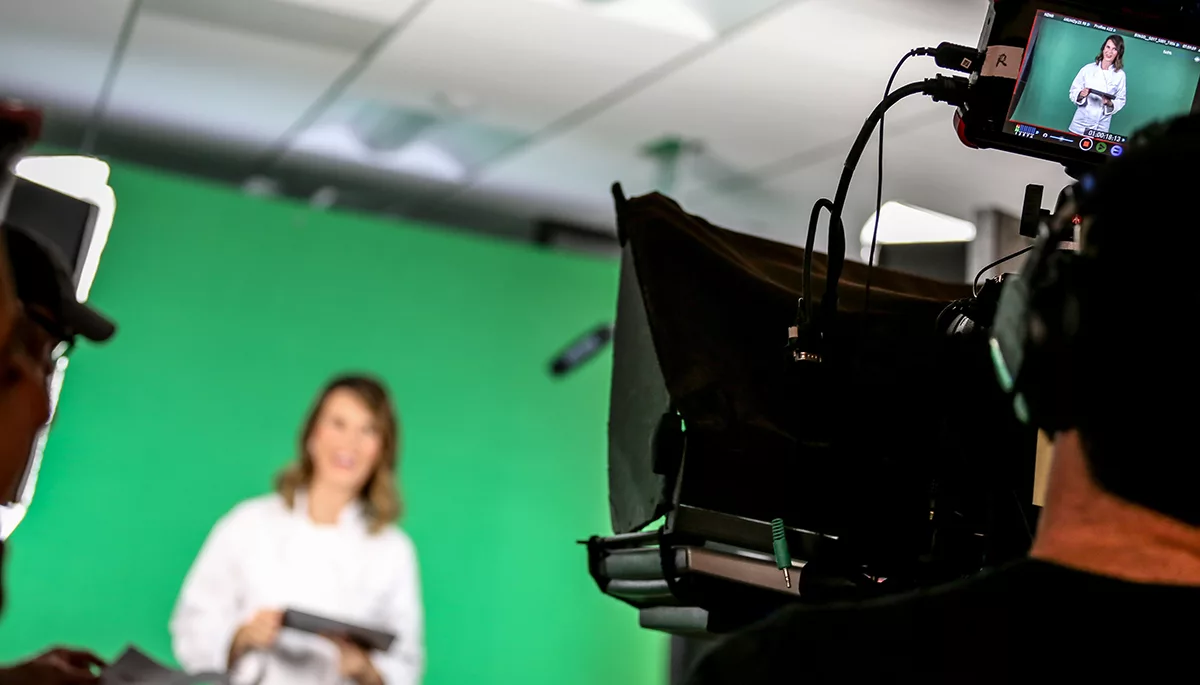
The Pollack PR Marketing Group recently conducted an in-house production for Bingo Blitz’s in-game animation series with Sprinkles Cupcakes’ founder, Candace Nelson. Designed as a time-limited in-game feature, the in-app feature portrays Candace’s journey with Bingo Blitz’s animated character “Blitzy,” as they travel around Europe in a food truck.
To incorporate Candace alongside Blitzy and the game’s animation, the team used a technique called “chroma keying,” where one shoots in front of a green backdrop and superimposes the footage on top of a different background in post-production. Working with a green screen allows for more creative freedom and flexibility, but it also requires more attention to details during set up and the actual shooting process. Here are a few tips for those wanting to try out or refine their green screen capabilities.
Simulate movements
Since Blitzy and Candace’s entire journey is animated in post-production, there needed to be a way for Candace to interact on-screen with Blitzy. Proper eye contact and movement extensions had to be simulated.
A big way to help produce the correct positioning is to use real-life stand-ins that will be edited out in production. For example, the production team had someone stand exactly where an animated Blitzy would be in the scene. This allowed Candace to know where to direct her motions and ensure her eyes were directed at the right level of where Blitzy would be inserted in post-production.
Pay attention to every color
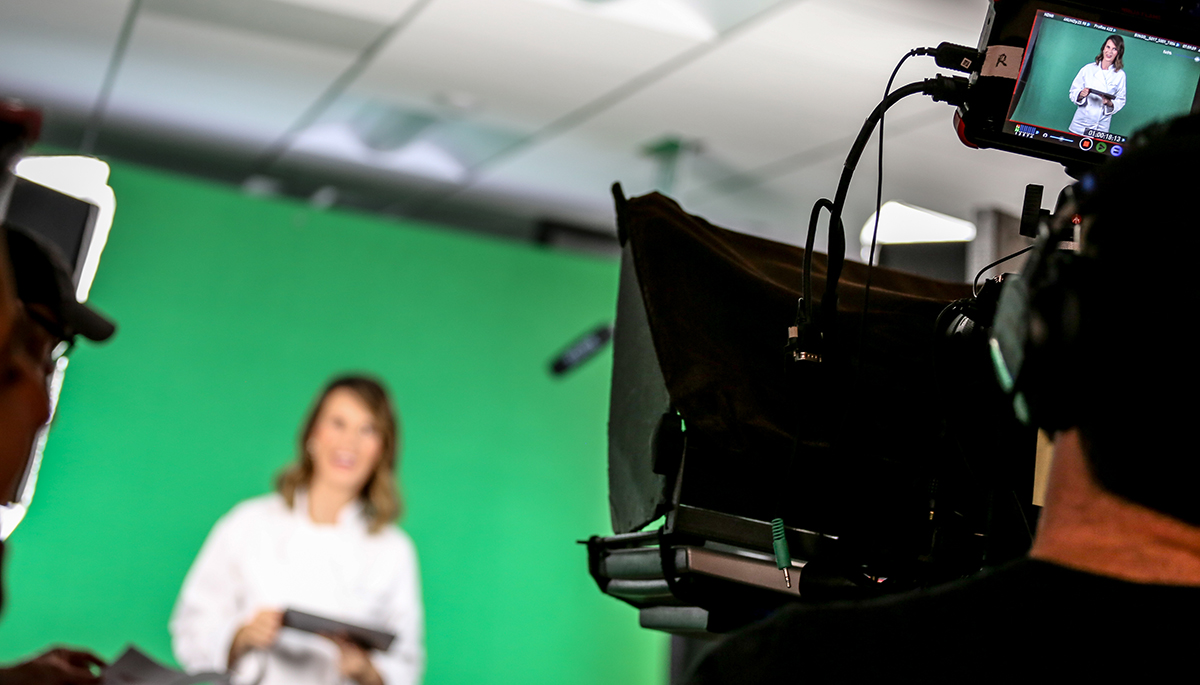
Green is often used in chroma keying because green is very different from skin tones, preventing computers from accidentally confusing an actor’s arms or hair with the background, which would later need to be removed from a scene. However, this also meant every prop could not be green or clear (which would reflect light or show through as green). As an example, in a scene with Candace drinking from a beer stein, used a mug made of wood was used rather than glass.
Plan your lighting
Although filming does not take place in a real environment, one needs to think about how lighting will affect the person on camera and create a scenario as though that environment was real. For example, a few scenes had Candace inside her food truck, facing away from the windshield. Since most sunlight comes through the front windshield of an actual food truck, the production team added extra light to the back of Candace’s hair. Thanks to this, the effect will look more natural and eye-pleasing once she’s inserted into the virtual, animated food truck.
For every scene, lighting equipment was placed at designated locations to evenly distribute color shade and tone on camera, such as placing multiple lights behind Candace to prevent shadows. This helps computers in post-production easily select which background to remove.
Hair, and other details, require great attention
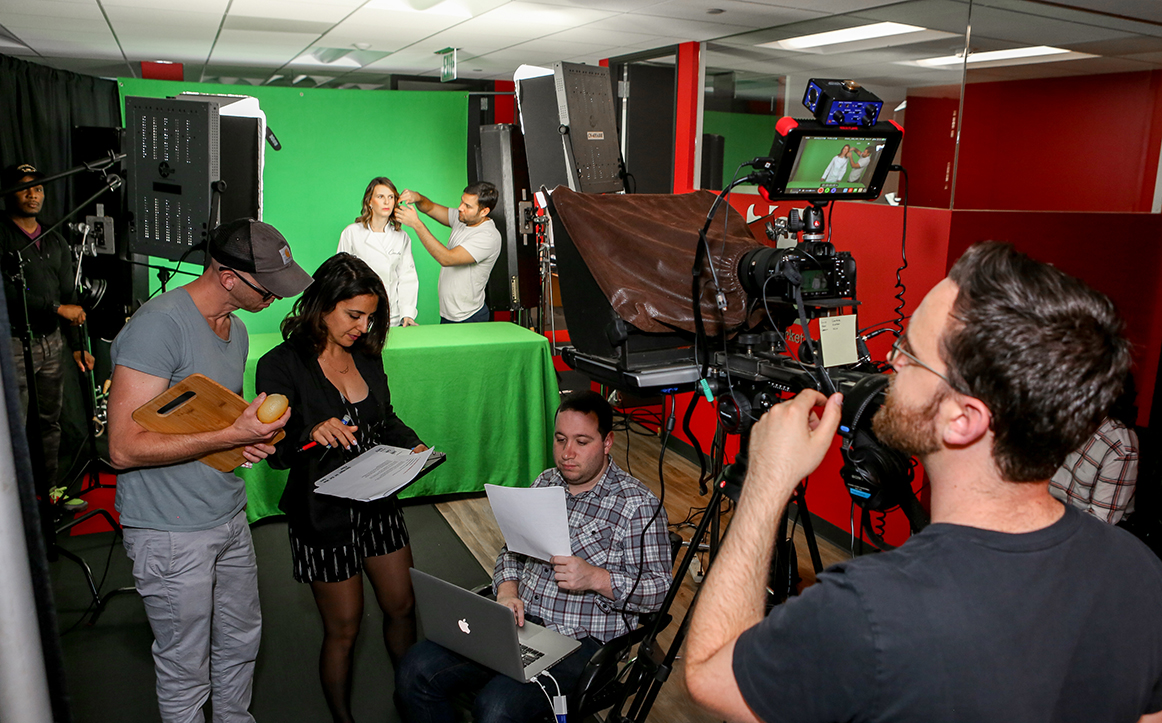
While an actor’s flyaway hair is never wanted, it can be especially tricky to “key out” in post-production. The same goes for loose threads on clothing. Throughout the filming, a makeup/hair artist was always on hand to prevent any minor filming issues from turning into major post-production hassles.
The Latest

In The Red
Elevated: Reflections on the Worldcom Public Relations Group’s North American Regional Meeting in Park City, Utah
Stefan Pollack reflects on the Worldcom Public Relations Group's North American Region meeting in Park City, Utah.

In The Red
Consumers Don’t Want Ads. They Want a Reason to Show Up.
Marketers chase attention. The challenge is figuring out how to earn it when consumers can scroll past a brand in a fraction of a second.

In The Red
Sited Visibility Index: Who’s Brewing Up the Best Fall?
The Pumpkin Spice Latte season is here, and we examined the AI search visibility of some of the nation's leading coffee brands.

Solutions
Some communications challenges call for a more focused approach. The Pollack Group’s proprietary solutions combine decades of communications experience with specialized methodologies, technology and audience intelligence to help organizations solve specific business and reputation challenges. From strengthening messaging and preparing for a crisis to understanding audiences, elevating leaders and measuring how brands appear in AI-driven search, our solutions give organizations practical tools and insights they can put to work.
Leadership Now
Creating leadership platforms that are essential to building audience trust and confidence.