
The Crucial Role Of Effective Messaging In Building A Strong Brand Identity
In a fast-paced world of business, establishing a solid brand identity is crucial for standing out in a crowded market. Brand identity is more than just a logo or a catchy tagline; it’s the essence of what a company represents, the values it upholds, and the unique promise made to customers. For startups and established businesses alike, uncovering and defining this identity is the foundation for success, and without one crucial starting point, brand awareness and company growth will falter. The first and most important step in creating a brand identity? Messaging.
Defining Messaging
So, what exactly is messaging? Website copy? Social media verbiage? Well, yes. And then some.
Messaging refers to strategically communicating a company’s values, mission, and value propositions to its target audience. It encompasses the consistent use of language, tone, and imagery across all channels to convey a coherent and compelling narrative about the brand. An effective messaging framework aligns with a company’s overall goals and resonates with consumers, helping to build a strong identity, foster trust, and differentiate against competitors. As mentioned, messaging includes the general tone and style used on social media, website copy, and boilerplates, but is also instrumental for company spokespeople when speaking about the brand during media interviews or when writing contributed articles. Messaging spans across various mediums and channels and involves the need to engage, inform, and inspire action. In short, a company can launch the best product or service in the market, but without a message map and framework, that incredible product or service won’t reach the appropriate audience or excite consumers.
Why Messaging Matters
All companies, need a strong and compelling messaging framework to articulate its mission, vision, and benefits in a way that resonates with their target audience. Without proper messaging, companies run the risk of being misunderstood, overlooked, or perceived as unreliable, hindering their growth and success. A perfect example of this lies in the downfall of Juicero, a company that developed a high-tech, Wi-Fi-enabled juicer. The company’s messaging focused heavily on the innovation and technology behind its product, positioning it as a groundbreaking advancement in home juicing. However, they failed to communicate the practical benefits and value to consumers effectively. This disconnect became glaringly apparent when it was revealed that the expensive juicer was unnecessary to squeeze the juice out of the company’s pre-packaged juice bags, which could be done by hand. The messaging failure led to widespread criticism, damaged credibility, and ultimately contributed to Juicero shutting down in 2017.
Bottom line – don’t be your industry’s Juicero.
Components of Effective Messaging
Now that the benefits and necessities of messaging have been drilled into your brain, what are the components of effective messaging? We know we need it, but what does it entail? Glad you asked.
Effective messaging is comprised of several key components:
- Clarity: Messaging should be straightforward and easy to understand, avoiding jargon and complex language. It should communicate the core idea succinctly.
- Consistency: Messaging should be consistent across all platforms and communication channels, especially via social media. This helps reinforce the brand identity and build trust with the audience.
- Relevance: Messaging should be relevant to the target audience, addressing their needs, interests, and pain points. It should resonate with them on a personal level.
- Authenticity: Messaging should be genuine and reflect the company’s true values and mission. Authentic messaging builds credibility and trust.
- Call to action: Messaging should include a clear call to action, guiding the audience through the next steps, whether it’s making a purchase, signing up for a newsletter, or following on social media.
How to Develop Brand Messaging
I’m not going to lie. Developing a brand’s messaging can be tedious and difficult. It requires time, dedication, and a keen eye to drive creative storytelling, all while ensuring the value proposition is concise. A company’s best option is to turn to trusted advisors that specialize in messaging to help curate the optimal verbiage to help brands stand out in a saturated market.
Doing this work will help guarantee that a messaging framework will get developed to solve the all-too-common problem of inconsistent and unclear messaging. Companies need a structured approach, certifying that all communications, whether internal or external, are aligned with the brand’s values, missions, and goals. Additionally, employees will save time and effort by obtaining clear guidelines for crafting messages, leading to more effective communication and better overall business performance.
Here’s what an in-house team should look for and anticipate in their chosen messaging partner:
- A complete, deep immersion meeting with company stakeholders and executives to learn about the company and industry.
- A working draft within the first month, in which the agency will review each component with the client and make edits for the final, complete messaging map.
- A complete, final message map by the end of the 60 days, with complete edits and feedback from the client.
- Plus, regular communication and either weekly or bi-weekly meetings to align on status.
A complete Message DNA solution should include the following:
- Company boilerplate, also known as the ‘elevator pitch.’
- An overview of the industry’s market.
- An overview of the target audiences.
- Points of differentiation that uncover how your company stand out from the crowd.
- Identify pain points within the industry and provide context on how the brand offers a solution for each pain point.
- Have a minimum of five key messages with proof points detailing how the brand is solving a common problem or providing a service unlike anything else in the space.
- Perhaps the most important component is knowing exactly what your brand and company stand for and how to convey it to the public, also known as your value proposition.
Our agency has a proven track record of helping clients across many industry sectors to build messaging, including:
- City of West Hollywood
- SodaStream
- Avis Budget Group
- Customer Management Practice
- American Camp Association
- Bob Evans Farms
- Believer Meats
- The USO
- City of Santa Monica
- Happy Wax
- Jam City
- Kasparov Chess
- VeraDAT
- OpenPay (Opy)
- Linqto
- Big Fig Mattress
- Jewish Future Promise
- Tipico USA
- Netafim USA
- RainBird
- YouHodler
To learn more on how we can put our Message DNA solution to work for you today, visit this page or drop us a line at: info@pollackgroup.com.
The Latest
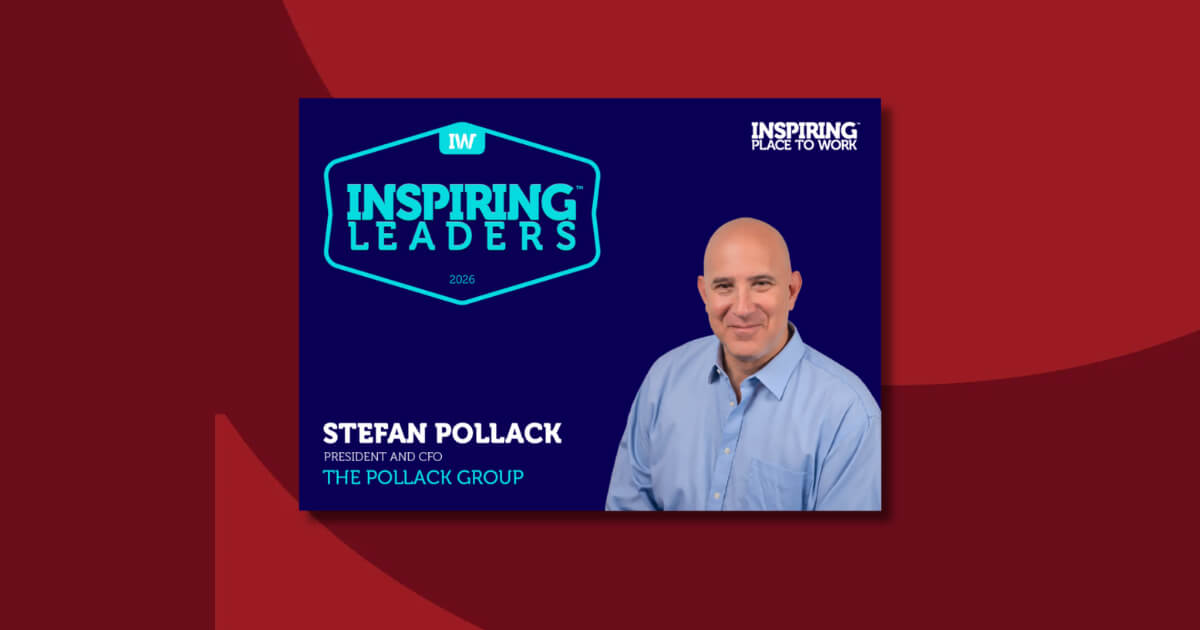
Stefan Pollack Recognized as a 2026 Inspiring Leader for Second Consecutive Year
Stefan Pollack earns his second consecutive Inspiring Leader recognition in 2026 for his commitment to people-first leadership, mentorship and workplace culture

How to Choose a PR and Creative Agency for Brand Storytelling
What to expect from an agency that combines PR and creative, the evidence to request, a scored checklist and a shortlist template for brand managers.
Looking Ahead to 2027: Our Predictions for PR and Marketing
What's ahead for PR and marketing in 2027? The Pollack Group shares predictions on AI search, brand reputation, discoverability and communications trends.

How to Choose a PR and Marketing Agency for Your Industry: A Buyer’s Guide
How to choose a PR agency for crisis, nonprofit, B2B tech, fintech, consumer, food and beverage or startup needs: criteria, proof and pitch questions.