

The Next Act in the Information Age: PR Must Lead, Not Lag
Attending the PRSA Western District Conference (WDC) this year was a powerful reminder of an undeniable truth: We are at an inflection point in expanding the information age, and PR professionals can lead the charge or be left behind. The discussion on “Persuasive Storytelling in the Age of AI” reinforced something I have long believed: AI isn’t replacing communicators but is transforming how we work. The question isn’t whether we should adopt AI but how we wield it to maintain the human touch that makes our craft invaluable.
The AI Reckoning for PR Professionals
The presentation at PRSA WDC highlighted a critical shift: AI adoption is no longer a futuristic concept but a present reality. With 64% of PR professionals integrating AI into their workflow and 86% using it weekly, the industry is already adapting. However, what stood out was the stark contrast between the ease of what we could do with AI and the more complex challenge of what we should do.
From media monitoring and sentiment analysis to content creation and predictive analytics, AI is undeniably useful. But its use raises fundamental questions about quality, ethics, and trust. AI can generate words, but does it capture the nuances of human emotion? Can it build relationships, establish credibility, and tell a story that truly resonates? The answer lies not in resisting AI but in redefining our role within it.
Storytelling: The Last Frontier AI Can’t Fully Conquer
The heart of PR has always been storytelling—persuasive, human-driven storytelling. One of the key insights from the session was that stories are remembered 22 times more than facts alone. This is a crucial point as we integrate AI tools into our strategies. Technology can analyze data and structure narratives, but it cannot replace human creativity, empathy, and strategic intuition.
The five-chapter storytelling model presented at PRSA WDC provided a roadmap for crafting narratives that matter in an AI-driven world:
- The World Has Changed – AI is transforming communication faster than ever before.
- This Creates New Challenges – Misinformation, bias, and ethical concerns are at an all-time high.
- Time for a Shift in Thinking – AI should be used to enhance, not replace, human storytelling.
- Enter the Hero – PR professionals must embrace AI while championing the irreplaceable human element.
- The Viral Question: What’s Next? – How will we adapt to keep our industry credible, ethical, and impactful?
The Risk of Sitting on Our Hands
The most dangerous thing PR professionals can do right now is nothing. The industry is at a crossroads, and while AI presents tremendous opportunities, it also introduces risks that must be carefully navigated. According to the presentation, 85% of AI models fail due to poor data quality, and common pitfalls such as bias, lack of transparency, and loss of human judgment threaten to undermine credibility.
So, what should PR leaders do? We must actively shape AI’s role in communication, ensuring it serves as an augmentation tool rather than a crutch. This means:
- Designating AI pathfinders within teams to experiment and set best practices.
- Developing ethical guidelines for AI use in content creation and media relations.
- AI is used to enhance creativity rather than replace human judgment.
- Remain skeptical and verify AI-generated content to ensure factual accuracy and brand alignment.
Embracing the Future—Before It Leaves Us Behind
PR is an industry that thrives on evolution. We’ve adapted to the digital age, the rise of social media, and the 24-hour news cycle. AI is simply the next wave of transformation. But this wave is different—it is reshaping the very fabric of communication at an unprecedented speed.
We cannot afford to sit on our hands. We must step up, experiment, and lead the conversation on responsible AI adoption in PR. The information age is expanding, and history will remember those who seized the moment—not those who watched it pass them by. So, what role will you play in shaping the future of PR?
The Latest
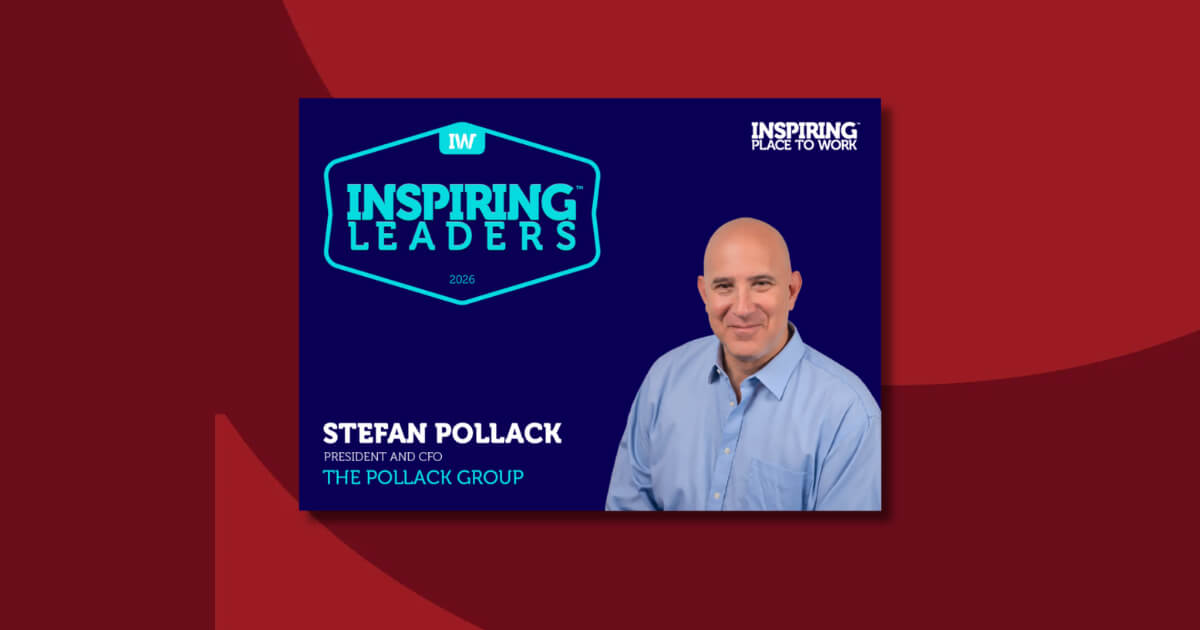
Stefan Pollack Recognized as a 2026 Inspiring Leader for Second Consecutive Year
Stefan Pollack earns his second consecutive Inspiring Leader recognition in 2026 for his commitment to people-first leadership, mentorship and workplace culture

How to Choose a PR and Creative Agency for Brand Storytelling
What to expect from an agency that combines PR and creative, the evidence to request, a scored checklist and a shortlist template for brand managers.
Looking Ahead to 2027: Our Predictions for PR and Marketing
What's ahead for PR and marketing in 2027? The Pollack Group shares predictions on AI search, brand reputation, discoverability and communications trends.

How to Choose a PR and Marketing Agency for Your Industry: A Buyer’s Guide
How to choose a PR agency for crisis, nonprofit, B2B tech, fintech, consumer, food and beverage or startup needs: criteria, proof and pitch questions.