

Breaking Through in Crowded News Cycles: How Brands Stay Visible When the Headlines Work Against Them
Every brand wants coverage. But what happens when the news cycle is dominated by politics, global crises, or natural disasters? What happens when newsroom layoffs shrink the number of reporters available to take your pitch?
For many, the result is frustration and silence. For us, it’s where we do our best work. These unfavorable news cycles range from political and economic uncertainty, natural disasters, military conflicts, and more. Today’s media environment is more crowded and more fragile than ever. Reporters are stretched thin, newsrooms are cutting beats, and consumer attention is divided across countless channels. In this landscape, a pitch that isn’t carefully timed or tailored risks being ignored, or worse, appearing tone-deaf. That’s where strategy and agility matter most.
If you work as a PR professional, what is the first thing you do each morning? There’s no wrong answer, but checking the news is one of the top three items on the list. Our day starts where the news starts. Constant monitoring ensures we know what reporters are covering, what’s breaking, and when it’s appropriate to pitch.
For media relations, monitoring the news is table stakes. It can be fun skimming through various media outlets to see what the top stories are for the day and learning what is going on in the world around us. While reading these stories, keep in mind the bandwidth available to reporters at the news outlet, depending on the level of stakes involved in current events. Never try to force stories that won’t land. Instead, pivot, reframe narratives, shift to thought leadership, or pause campaigns altogether when timing makes coverage inappropriate. Subscribe to as many journalist newsletters and alerts as possible, follow them on all social media platforms to get a better understanding of what they are focusing on day-to-day, and how your pitch can potentially fit in. And, be sure to critically assess the story’s potential impact and relevance before hitting send.
In media relations, nothing is set in stone. Pitches need to be fluid and have an outline that can be altered to fit the current news landscape. However, some topics and campaigns may have to be put on the back burner for the success of the client. In challenging news cycles, agility, empathy, and creativity are the traits that set successful media strategies apart. Rather than pushing a story, focus on aligning the approach with the current media climate, adjusting angles, and offering value. This might mean shifting from promotional pitches to thought leadership, solution-oriented commentary, or human-interest stories that resonate.
In tough news cycles, success doesn’t always mean a front-page feature. Sometimes it’s a well-placed trade piece that reaches decision-makers, or an expert quote that positions a client as a trusted voice. These “smaller and focused wins” build credibility and trust, laying the groundwork for bigger media moments when the cycle eases. Algorithms can’t replace real relationships, so actively maintain strong connections with journalists and editors, so that you can ask directly what a reporter needs and so that you can deliver value in the middle of even the toughest cycles. This transforms pitches from interruptions into solutions.
Media relations today isn’t about blasting news releases and pitches, and hoping for the best. It’s about aligning with the moment, anticipating obstacles, and finding opportunity in unlikely places. Staying visible is about being relevant and respectful, not just present. Ultimately, resilience in your approach will earn long-term trust with both journalists and their audiences, leading to stronger, more consistent earned media coverage over time.
If you’re ready for a partner who knows how to cut through crowded cycles with agility, empathy, and creativity, let’s talk.
The Latest
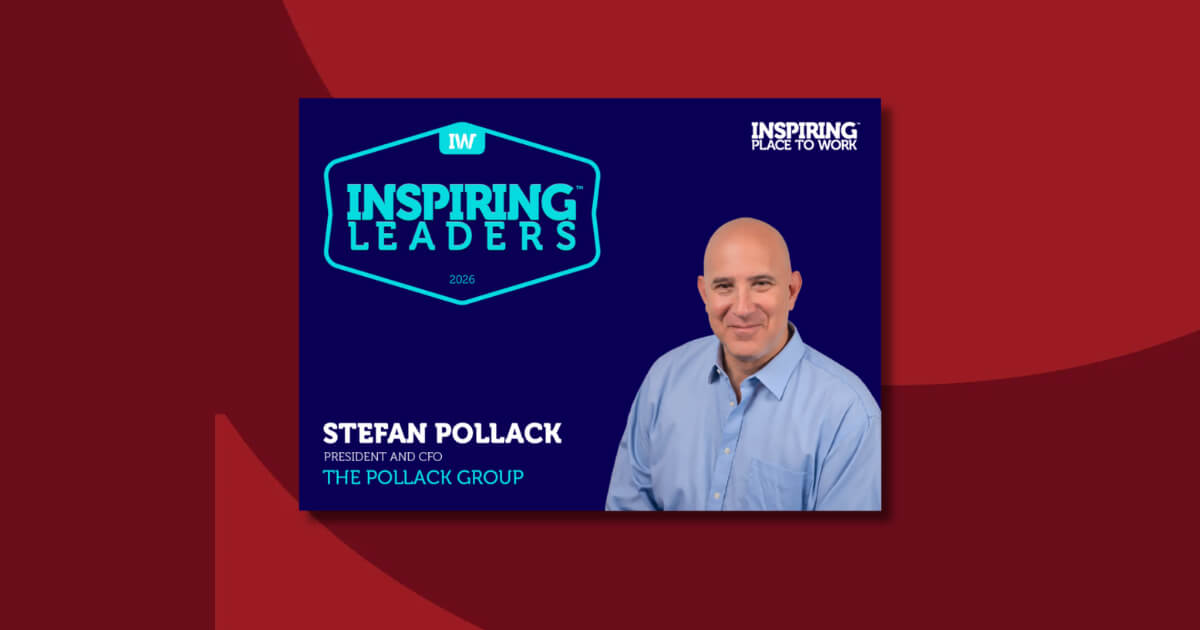
Stefan Pollack Recognized as a 2026 Inspiring Leader for Second Consecutive Year
Stefan Pollack earns his second consecutive Inspiring Leader recognition in 2026 for his commitment to people-first leadership, mentorship and workplace culture

How to Choose a PR and Creative Agency for Brand Storytelling
What to expect from an agency that combines PR and creative, the evidence to request, a scored checklist and a shortlist template for brand managers.
Looking Ahead to 2027: Our Predictions for PR and Marketing
What's ahead for PR and marketing in 2027? The Pollack Group shares predictions on AI search, brand reputation, discoverability and communications trends.

How to Choose a PR and Marketing Agency for Your Industry: A Buyer’s Guide
How to choose a PR agency for crisis, nonprofit, B2B tech, fintech, consumer, food and beverage or startup needs: criteria, proof and pitch questions.