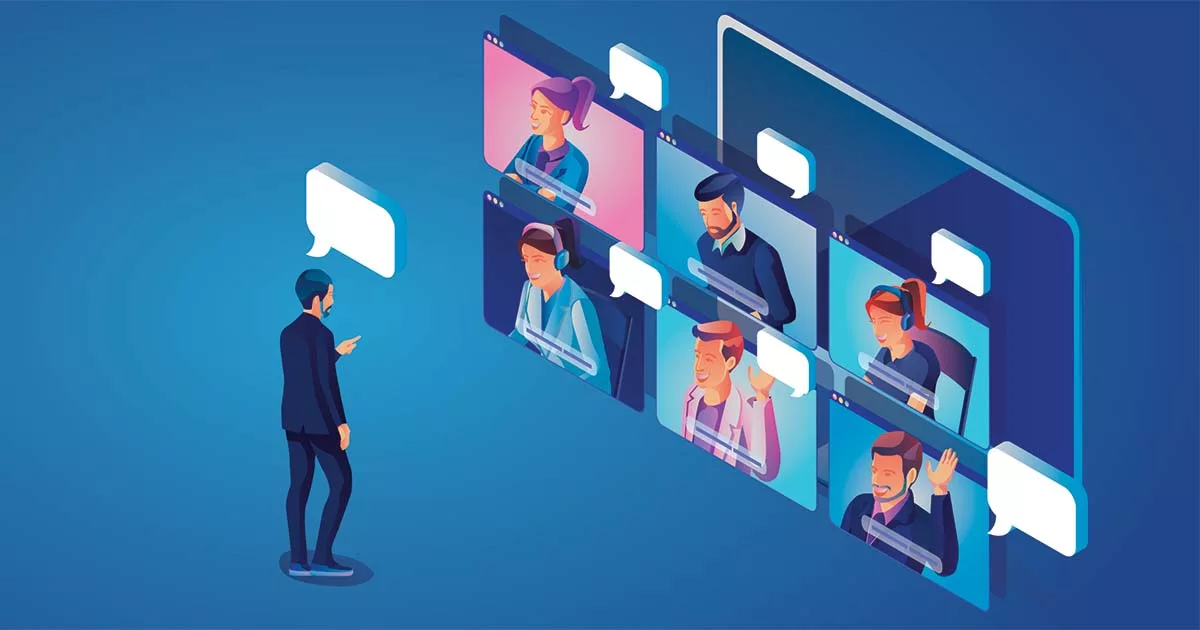
How To Prepare Your Brand For The Future Of Digital Event Experiences
Within the past year, COVID-19 guidelines forced brands across the nation to pivot their event planning to a virtual capacity. Marketers quickly realized that this wasn’t an easy switch, as digital events present unique challenges, including technological limitations and the lack of two-way communication and networking value that is inherent at most in-person engagements. On the other hand, digital events also come with advantages in geographic reach and event planning logistics. Even as we emerge from the pandemic with the vaccination rollout well underway, digital events are likely to remain within the fabric of the overall marketing strategy. Whether you’re planning a webinar, business roundtable, or a large-scale virtual fair or festival, here are some key strategies to increase exposure and make the event a success:
The SEO Advantage
Every intelligent business leader knows the importance of using keywords to rank their website and published content. Still, SEO is also a helpful tool in the event planning space, especially when it comes to virtual events. With the increase in digital events over the past year, brands can separate theirs by using a keyword planning tool and other notable SEO strategies to include the right words in promotional copy.
Leverage Key Platforms
Many brands can leverage digital events across social media. Digital events provide consistent content on the brand side and increased page views through posts from other key players. Unique hashtags and photo and video content provide accessible avenues to get consumers engaged with your brand’s upcoming event. Utilizing Facebook and LinkedIn as event planning tools is also a great option to track RSVPs and boost event promotion. Lastly, brands can leverage event participants as “influencers” to spread the word through their targeted digital networks, thereby increasing customer and prospect trust while gaining third-party validation.
Work Cross-Functionally
In the past, event teams have often operated separately from the rest of the marketing team. With digital event planning, teams need to work cross-functionally to immerse their target audience in various digital channels. To place the audience in the center of your digital experience, you need all hands on deck from the C-Suite, marketing, sales, and UI/UX teams to coordinate each stage of the process.
Continue the Conversation
Post-event engagement across digital channels and establishing the “long game” is crucial to maintain relationships and increase ROI for future events. Personalized emails, social media content, and blog posts are all ways to keep attendees engaged with your brand after the event ends.
The digital world is profitable, driving business outcomes across every industry, meaning that every business needs to adapt for the future of digital events to maximize audience engagement.
The Latest
How to Choose a PR and Marketing Agency for Your Industry: A Buyer’s Guide
How to choose a PR agency for crisis, nonprofit, B2B tech, fintech, consumer, food and beverage or startup needs: criteria, proof and pitch questions.
Back-to-Back Perfect Marks: What Our Latest Worldcom Peer Review Taught Us
The Pollack Group earns perfect marks in its Worldcom peer review for the second consecutive cycle.

Sited Visibility Index: Which Streaming Platform “Owns” Halloween in AI Search?
Which streaming platform wins Halloween? Our Sited Visibility Index reveals how Netflix, Disney+, Hulu and others rank in AI search results.

PHP2Shell and Your Website: Build More, Patch Less
Learn what the PHP2Shell vulnerability means for WordPress security and how managed platforms like Webflow can reduce maintenance and security risks.